

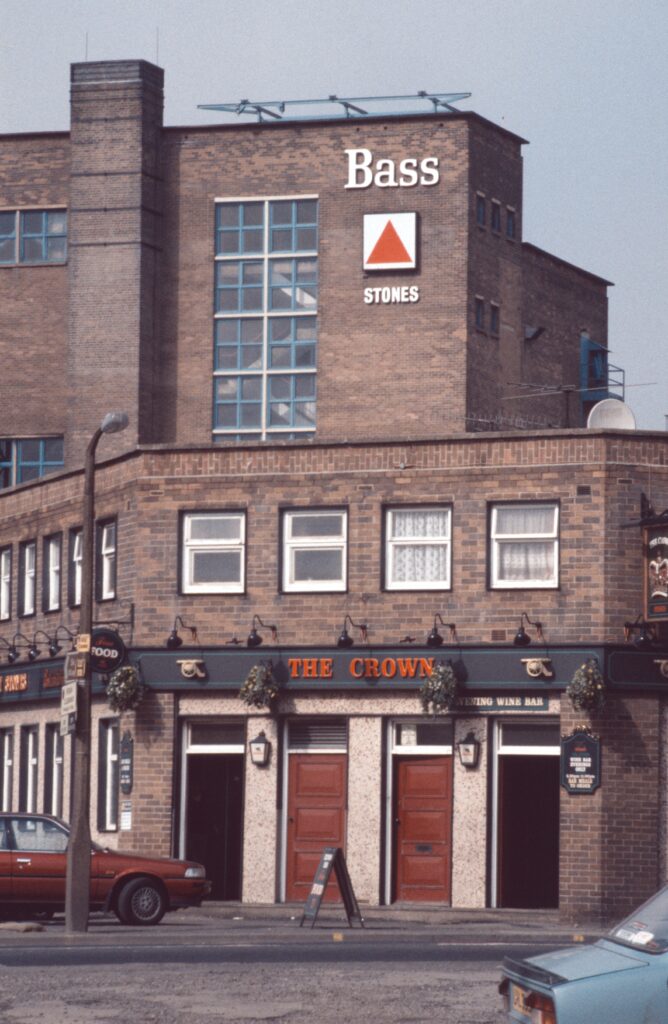
The Cannon Brewery site in Neepsend, the original home of Stones Bitter, is currently under regeneration. The brewery closed, almost thirty years ago, in 1999, when Bass acquired their Burton-on-Trent neighbour, Ind Coope, and decided that their Sheffield Brewery was surplus to requirements.
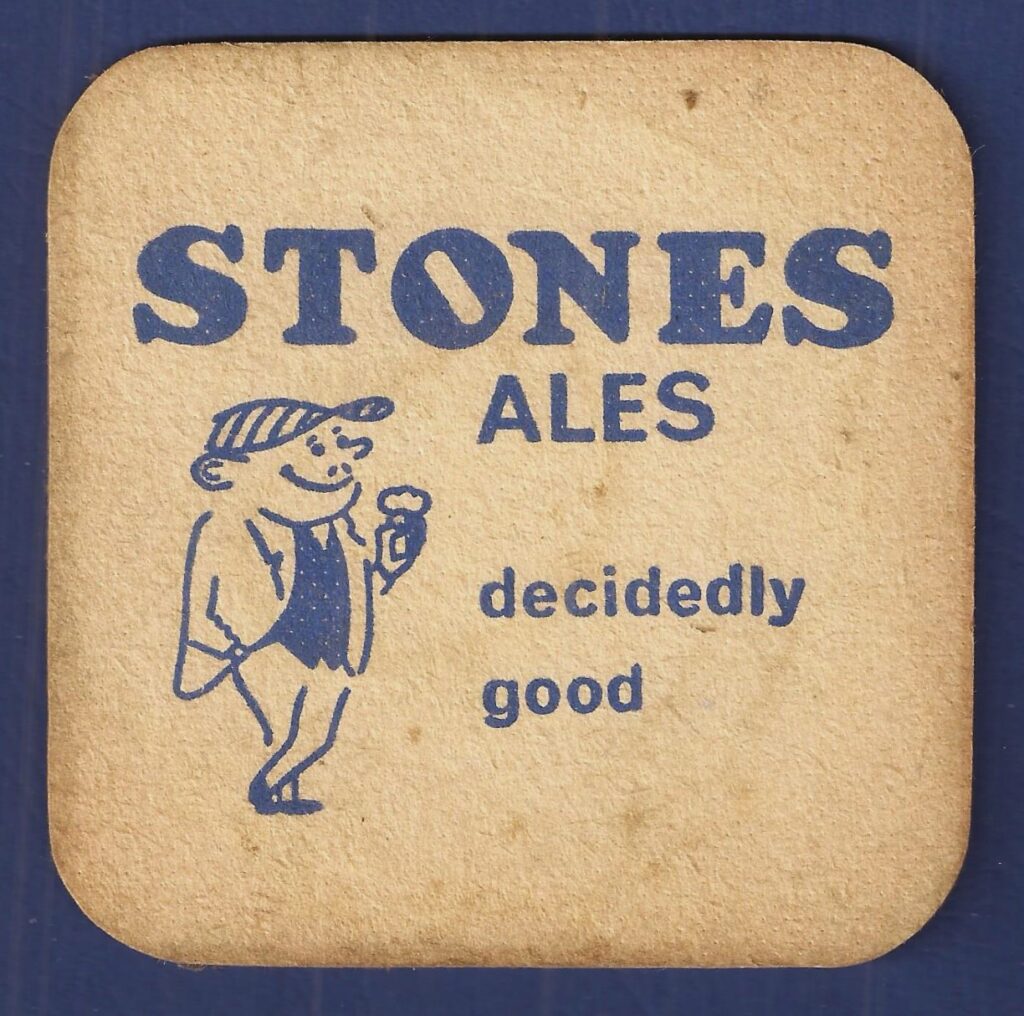
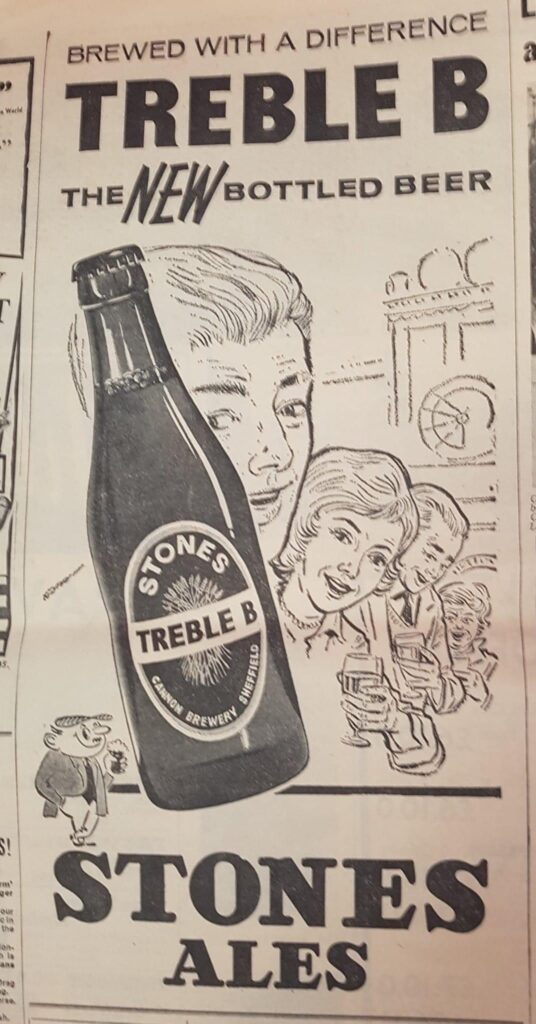
The Cannon Brewery was named in 1868 by William Stones (1826-1894) and purchased by Bass Charrington in 1968. William started brewing in 1847 with Joseph Watts. Following Watts’ death in 1854, Stones continued. In 1868 he bought the lease of the brewery of Shepherd, Green & Hatfield (the Neepsend Brewery), renamed it the Cannon Brewery and continued to brew there until his death. Shortly afterwards, the company was registered as William Stones Ltd. This success saw him become one of the richest men in Sheffield.
Stones Bitter was introduced by Head Brewer, Edward “Ted” Collins in 1948. It was popular with Sheffield’s steel workers and was originally available across South Yorkshire, Derbyshire, and Nottinghamshire. Increasing demand saw the beer brewed at other Bass breweries from the 1970s onwards. Distribution was extended to the rest of the north of England in 1977, and accompanied by a considerable marketing push, nationwide from 1979.
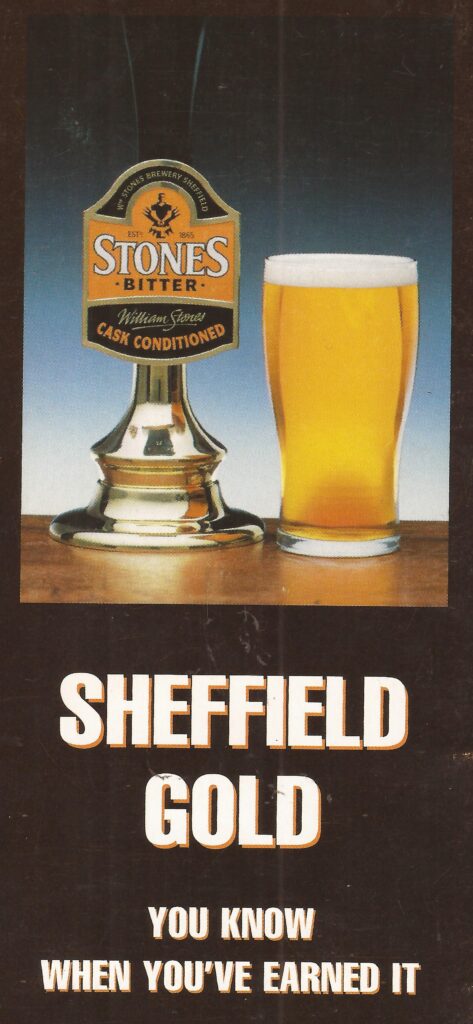
The beer’s popularity reached its peak in 1992 when it was the country’s highest selling bitter, selling over a million barrels. In 1994-96, the “Sheffield Gold” campaign was set in a steel foundry: it was filmed in the Czech Republic because Sheffield’s own foundries were considered to be too clean and automated for the desired gritty, industrial effect. The beer has been lauded as “one of Sheffield’s most famous exports.”
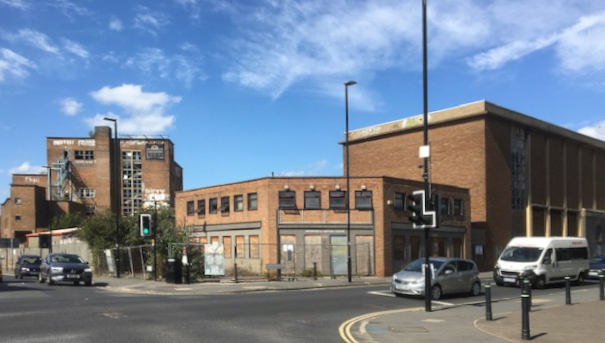
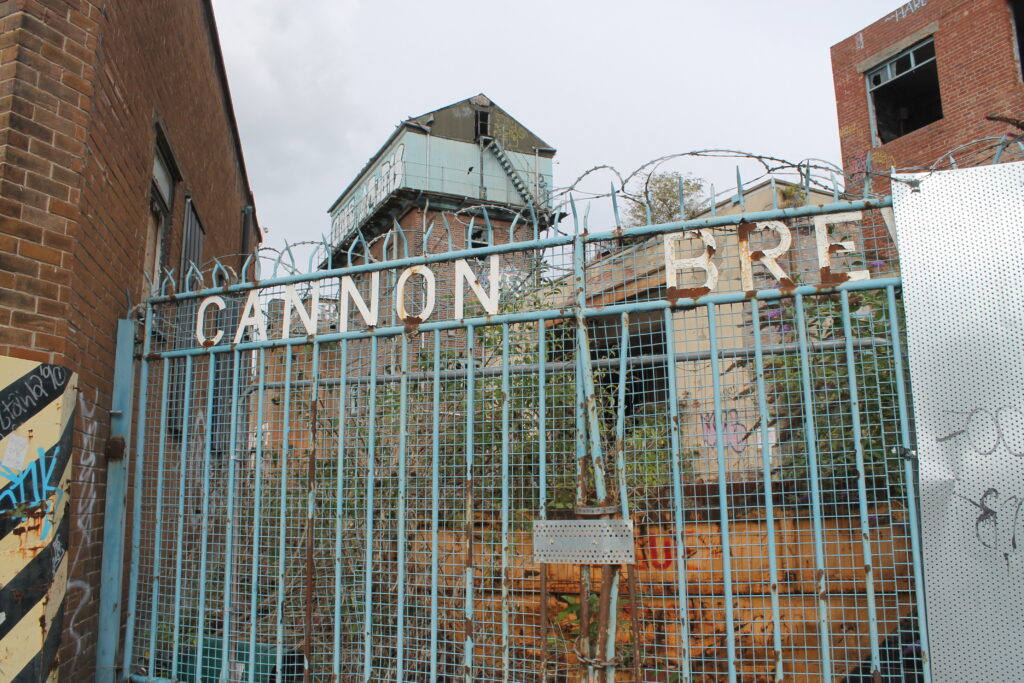
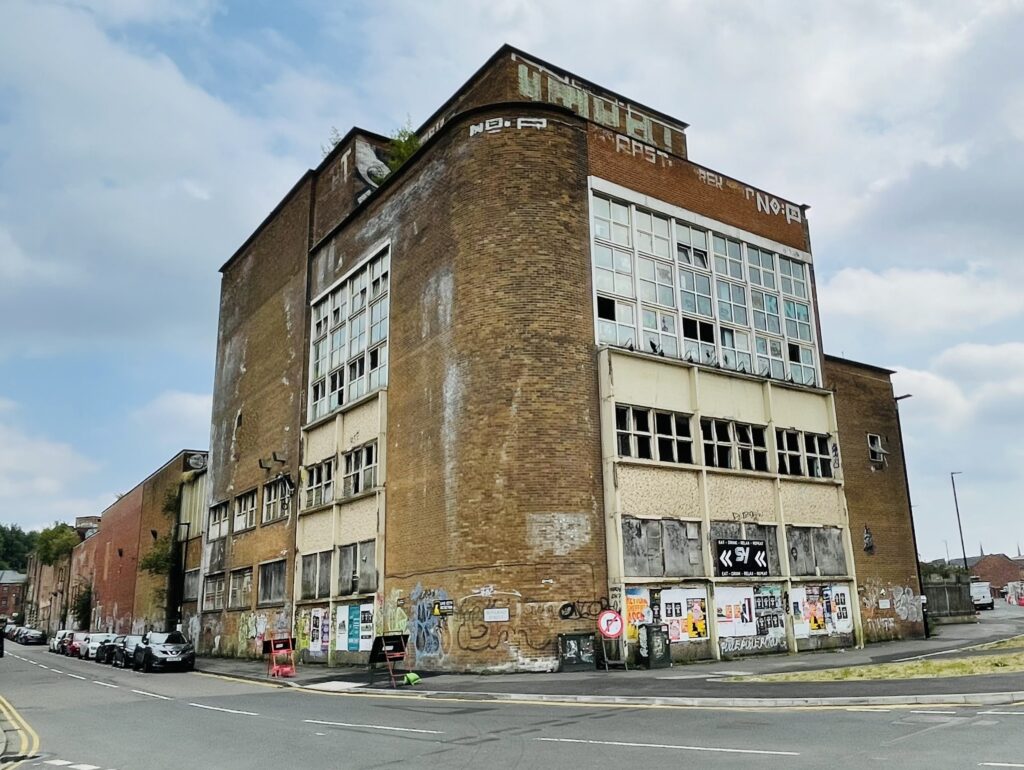
At closure, the site consisted of buildings of differing ages, character and size clustered round a large triangular internal courtyard. Little of the original Victorian and Edwardian buildings remained: the water tower and some internal features. In August 2024, Capital & Centric obtained hybrid planning permission. Their outline plans included the repurposing of several buildings, new builds of cultural and workspaces and over 500 homes, a new public square and an urban park. Subsequent investigation has shown the grain store to be in a critical state of disrepair: Regent Street Disease, corrosion of the steel frame within a masonry-clad building, is prevalent. There is also cracking of concrete on the façade and deterioration of the roof slab.
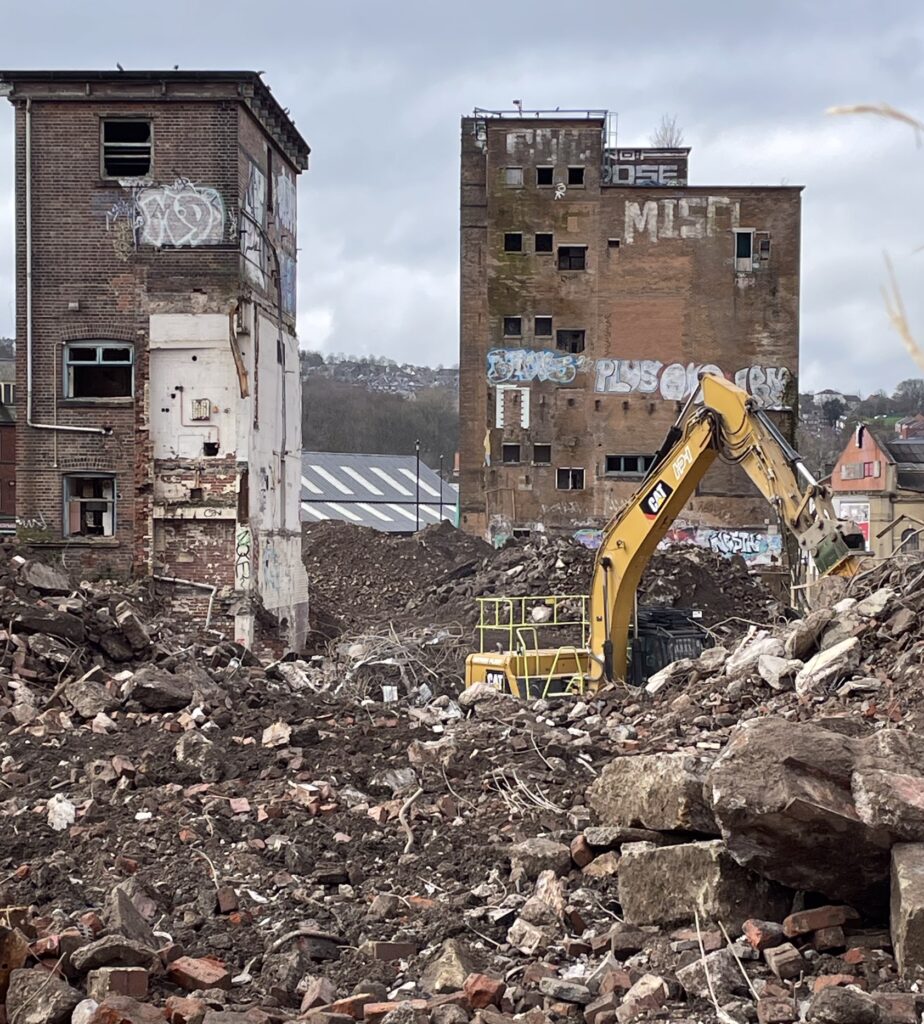
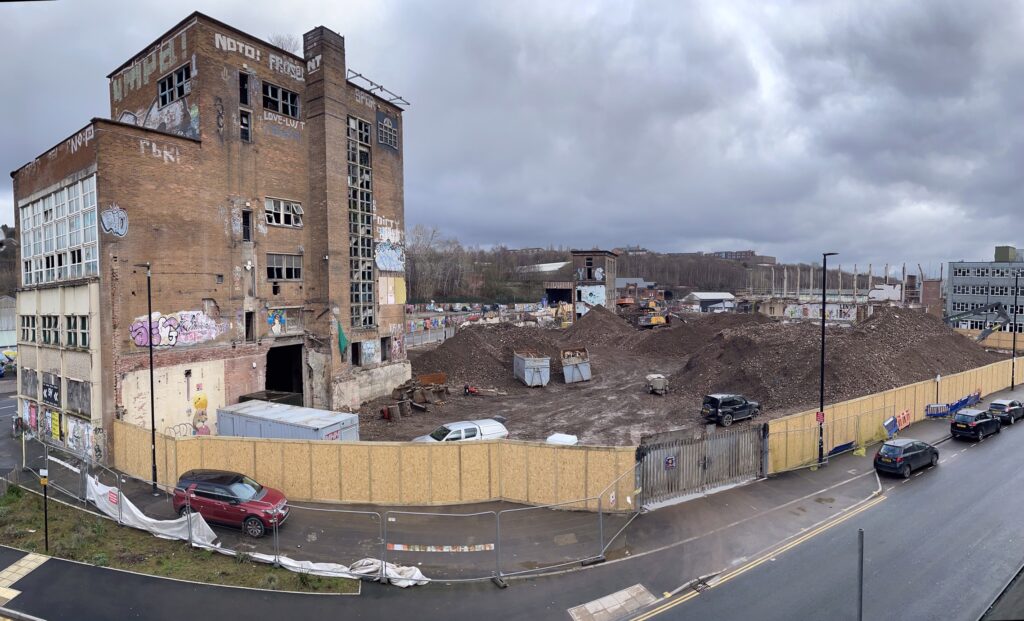
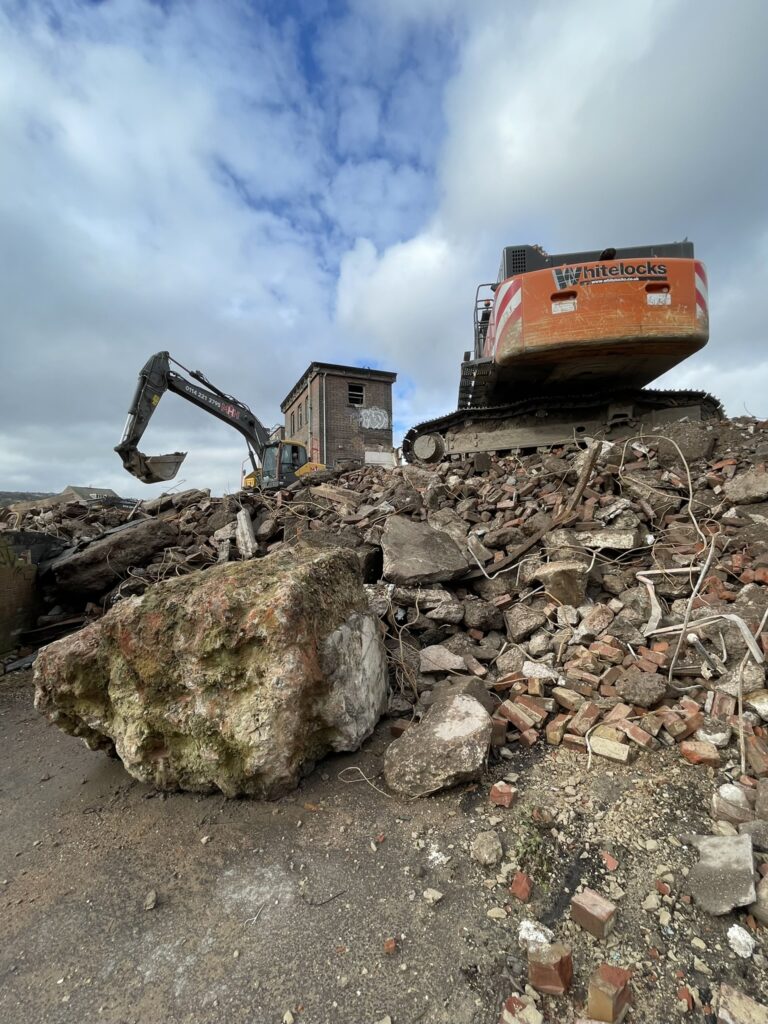
Demolition is now in progress: the end of a significant chapter in the history of brewing in Sheffield.
The planned redevelopment, with support from the South Yorkshire Mayoral Combined Authority, will see further growth of the community living around Kelham Island and Neepsend.
Passage of time is ever present today with loss of “Sones Bitter”, the beer of my youth, especially drunk at the “Hammer & Pincers” at Bents Green. I witnessed the transformation from the Old to the New of this pub every day as I went to school. I remember the Landlord was named Thompson as his son, Graham, was a friend of mine. We both were at Silverdale School, and we both took the entry exam to be selected at 13, to attend the Central Technical School, at the corner of Leopold Street and Church Street ( now part of the Leopold Hotel). I’m now in my 80’s! Time changes everything!
I worked at the Education Department on Leopold Street, the Red Lion around the back was our favourite watering hole. My home local was the Cherry Tree on Carter knowle Road, both served excellent Stones bitter. Great beer I buy it wherever I can find it but only in cans. Dronfield Hill Top Social club serves excellent Stones bitter.
Used to go in the crown in the 80,s worked for nu life windows just up the road.Brian Bellamy and his wife flo ran the place now live in Crewe but visit through work .fond memories of the place also the white hart