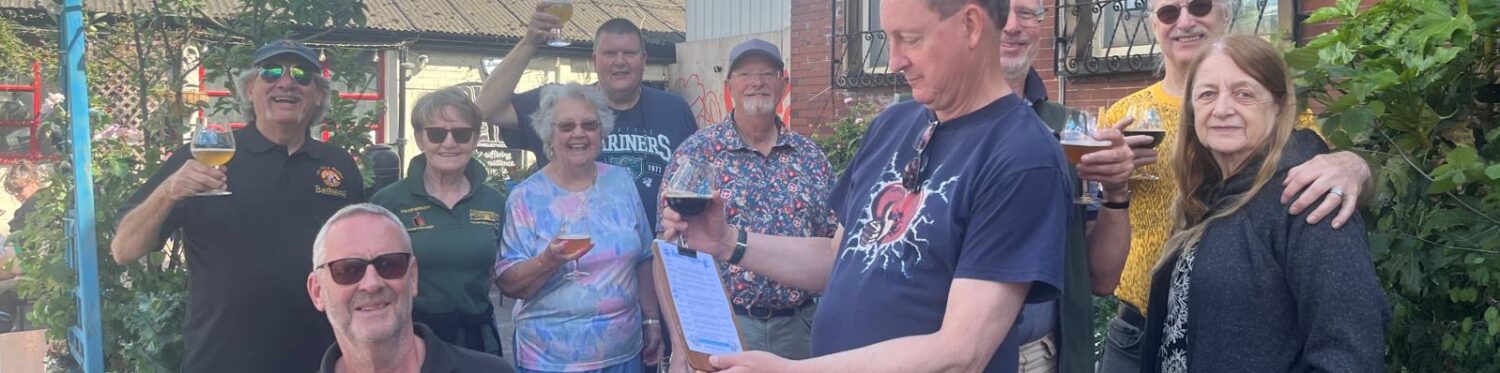


Recently, I was fortunate enough to visit several breweries and taprooms in Belgium. These included several of great age and others of a more recent vintage.
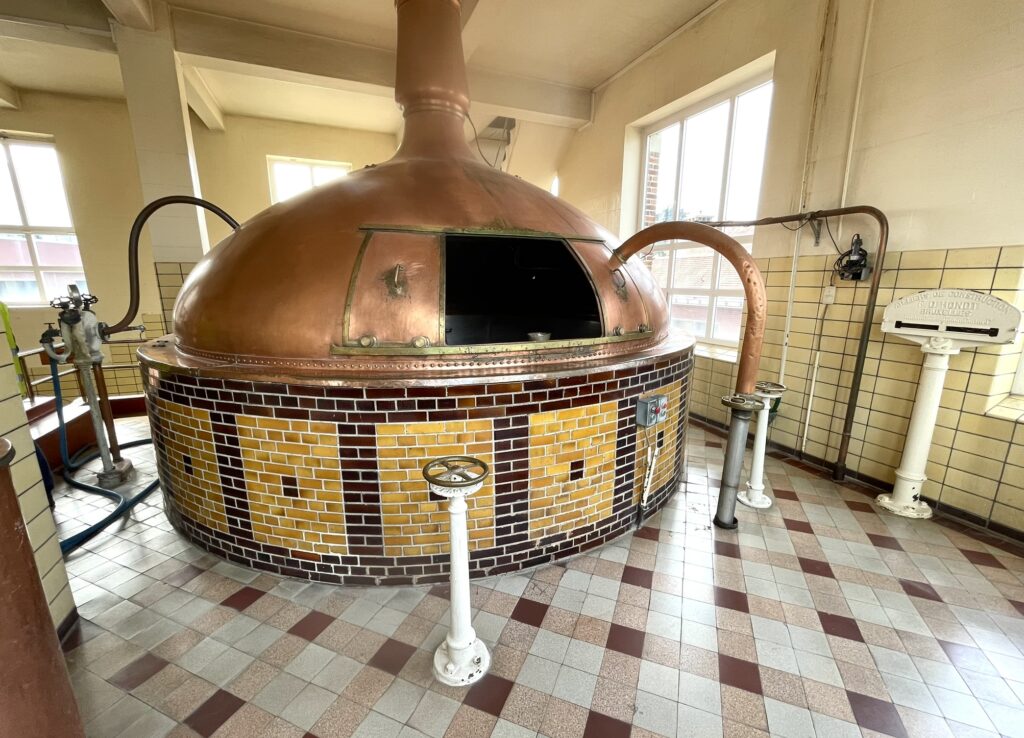
Roman (Oudenaarde) showed both their now decommissioned coppers and their new shiny brewery. The brewery dates to 1545, and founder Joos Roman: a bailiff who sold beer at an inn on the main trading route from Germany to France. The current management are the 14th generation, brothers Carlo and Lode Roman.
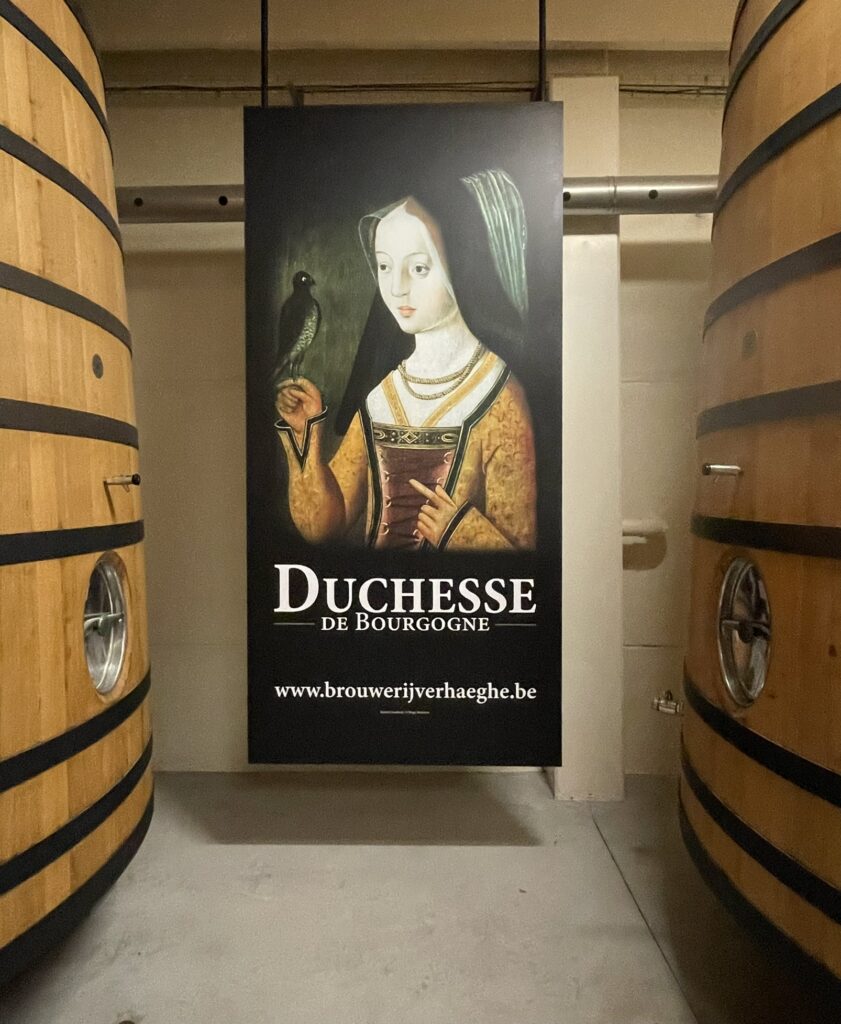
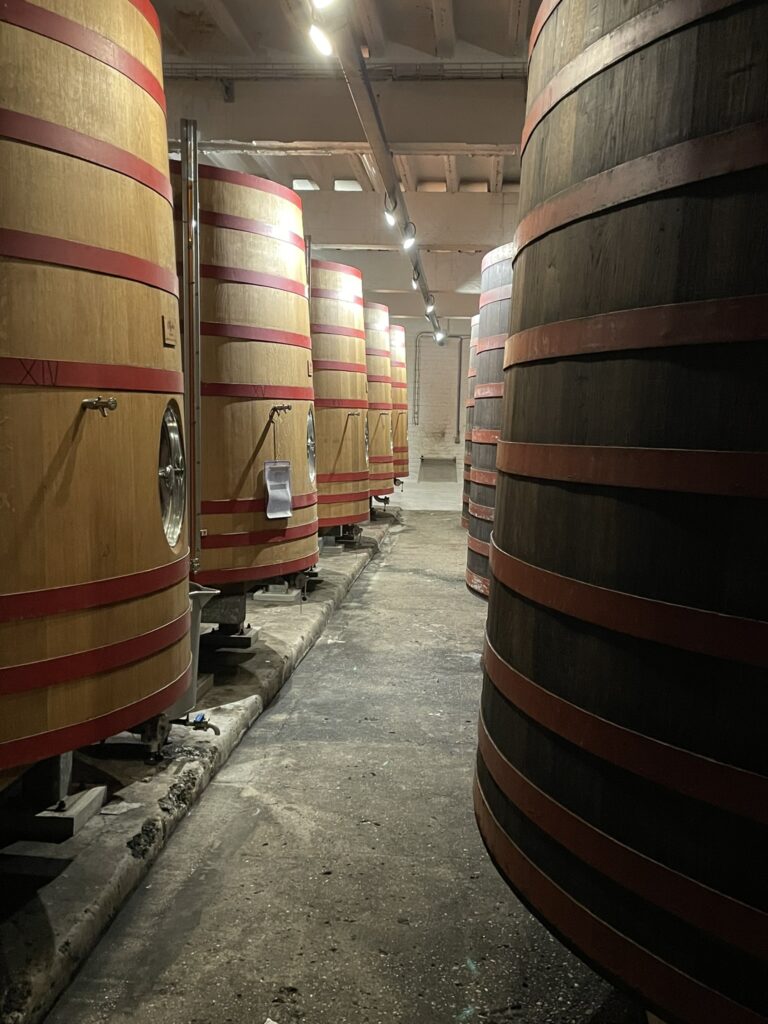
Founded over three centuries later (1875), Verhagne (Vichte) was visited on a Sunday morning: 90% of their production is the ruby-red, Duchess be Bourgogne (6.2%)
Silly Brewery in the town of Silly is one of the smaller members of the Belgian Family Brewers Association. The brewery began in 1852 in a farm bought by Marcellin Meynsbrughen and was called Meynsbrughen Brewery until 1973. They now have a handsome town-centre site with views over France. Their logo is an agricultural worker with a scythe in one hand and a beer in the other. Their most well-known beers are Silly Saison (5%), Silly Scotch (8%), and the Enghien range.
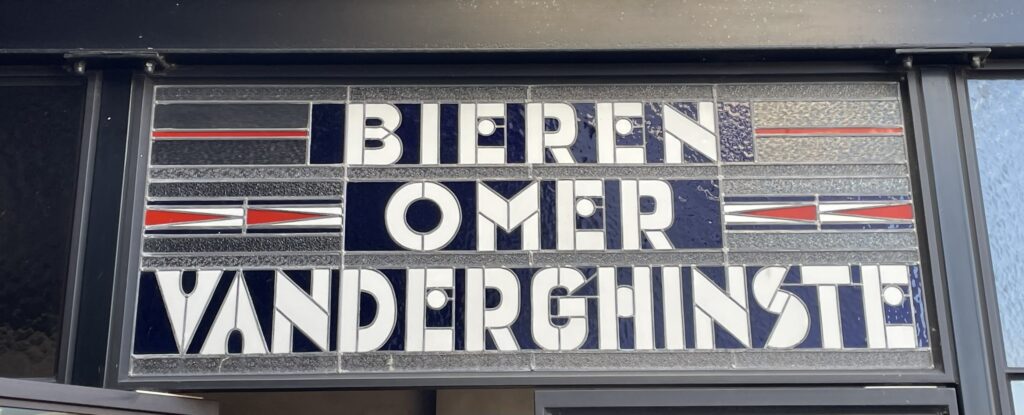
Omer Vander Ghinste began in 1892 when Remi Vander Ghinste bought a house with brewery buildings in Bellegem for his son Omer. The family were careful with their spending as Marguerite named her son, born in 1901, “Omer” for practical reasons, so expensive bar, and brewery windows would not have to be replaced. This was the beginning of a family tradition. The latest Omer Vander Ghinste has been in charge since 1993. Their most well-known beers are Omer Blond (8%) and VanderGhinste Roodbruin (5.5%), a Flemish Red Brown.
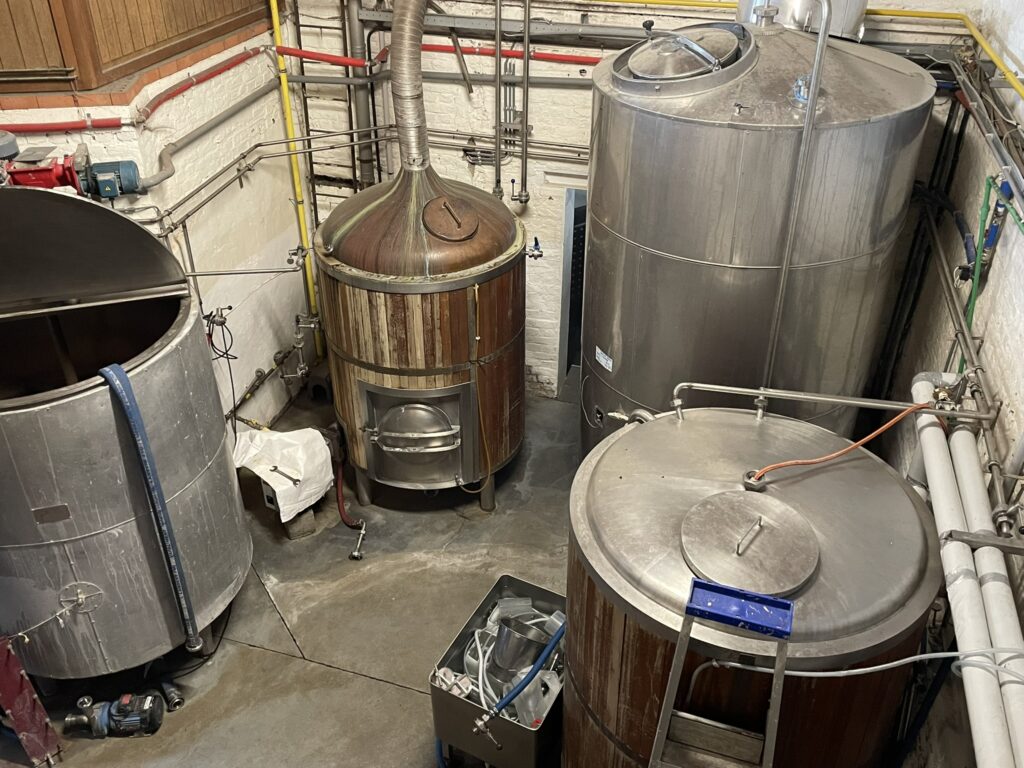
Brasserie Cazeau (Templeuve) is heir to a legacy name, the current brewery dating from 1995. It is a real mix of the old and the new, including a wood-panelled copper, lots of stairs and many ‘interesting’ sets of pipework. About 70% of production is secondary fermented in the bottle. Beers include the Tournay range, including Blonde (6.5%), Noire (7.6%), Saison (5%), Noel (8.2%), and Triple (9.4%). We were also provided with a sample of Tourney Hop Harvest 2025 (4%) straight from the fermenting vessel. A year earlier, Brasserie ‘t Gaverhopke, an ancient farm, commenced brewing. All beers are unfiltered and refermented in the bottle.
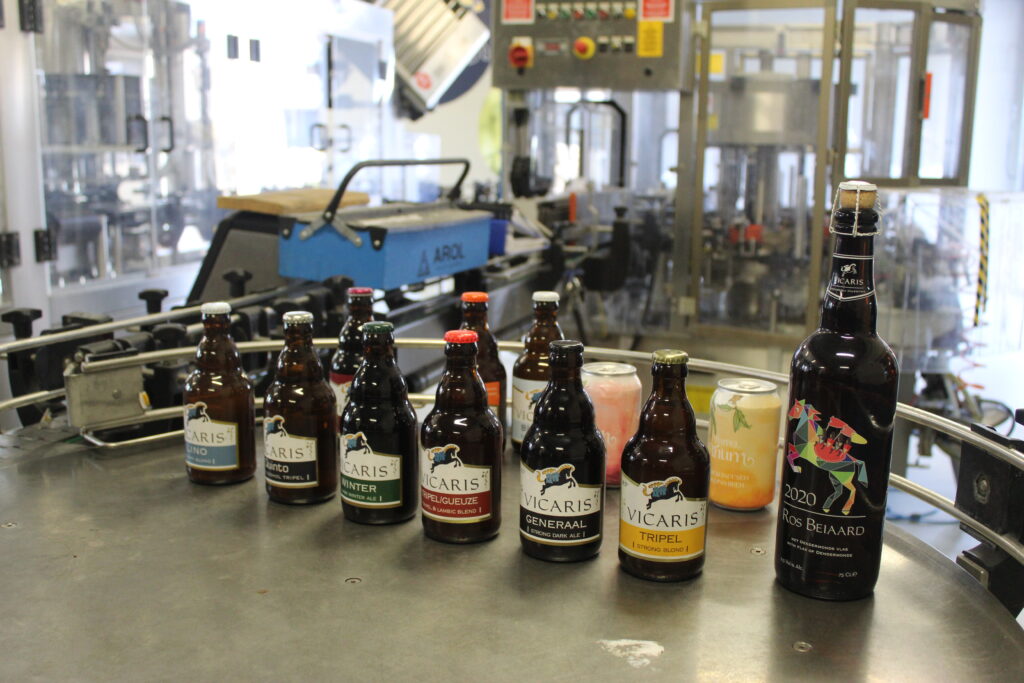
Vicaris Brewery (Dendermonde) was founded by dental engineer Vincent Dilewyns who began brewing at home in 2000 and produced a lovely Tripel. It was never the intention to go commercial, but after success at a local event the leftover crates were sold to locals and some ended up at the 2006 national Zythos Beer Festival. The current brewery opened in 2021. Their beers are unpasteurised and unfiltered and include: Vicaris NANOo, one of the best Belgian zero-alcohol beers.
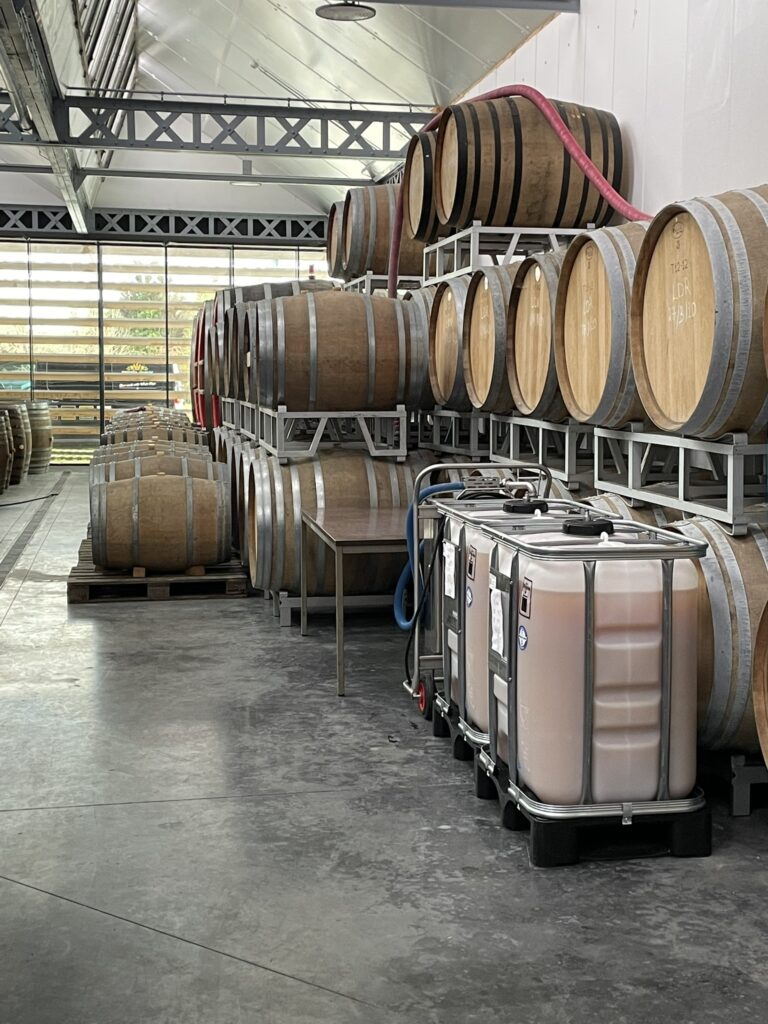
Established in 2005, De Ranke (Dottignes) also produces unpasteurised and unfiltered beers, utilising whole hops in a traditional gravity-led set-up. Brewing to sale for their heavily hopped high IBU beers (40-70) takes between 8 and 20 weeks. Their most well-known beer is XX Bitter (6%).
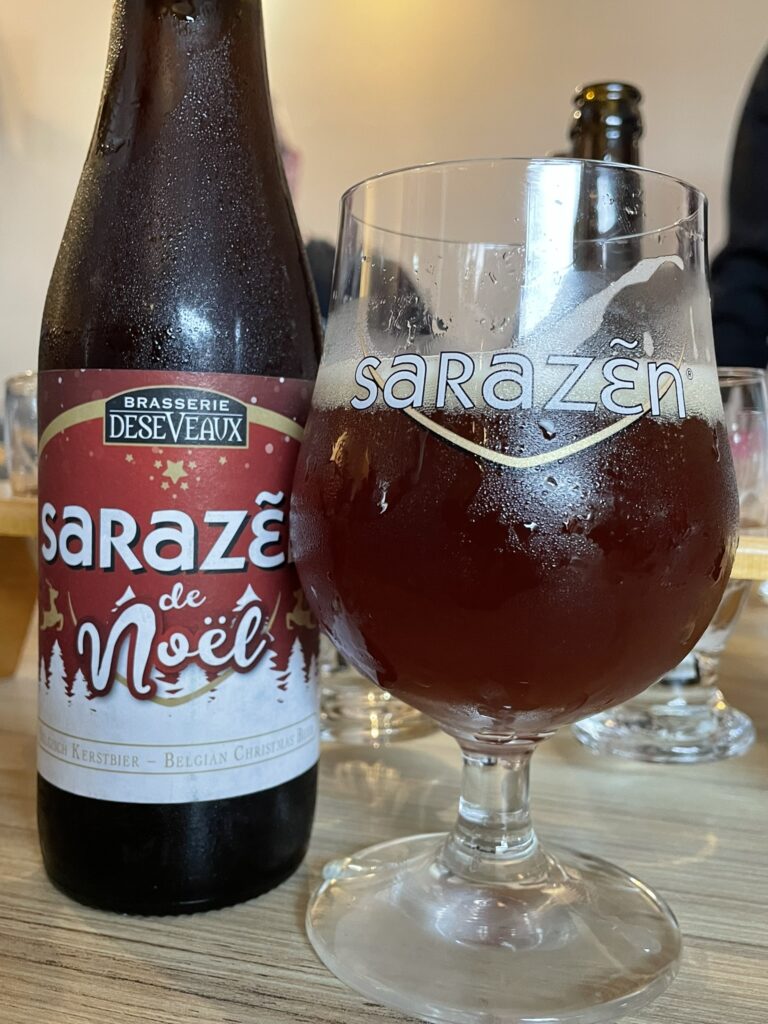
Deseveaux (Bossu) were set up in 2011. Production on the old family farm commencing in 2014. They specialise in brewing with buckwheat and spelt in conjunction with malted barley and wheat. 35% of production is organic. Mostly Belgian hops are used including some grown on-site (Cascade, Goldings, and Phoenix). Water, from their well, is treated before use. Their most well-known beers are the Abbaye de Saint-Ghislain and Sarazen ranges.
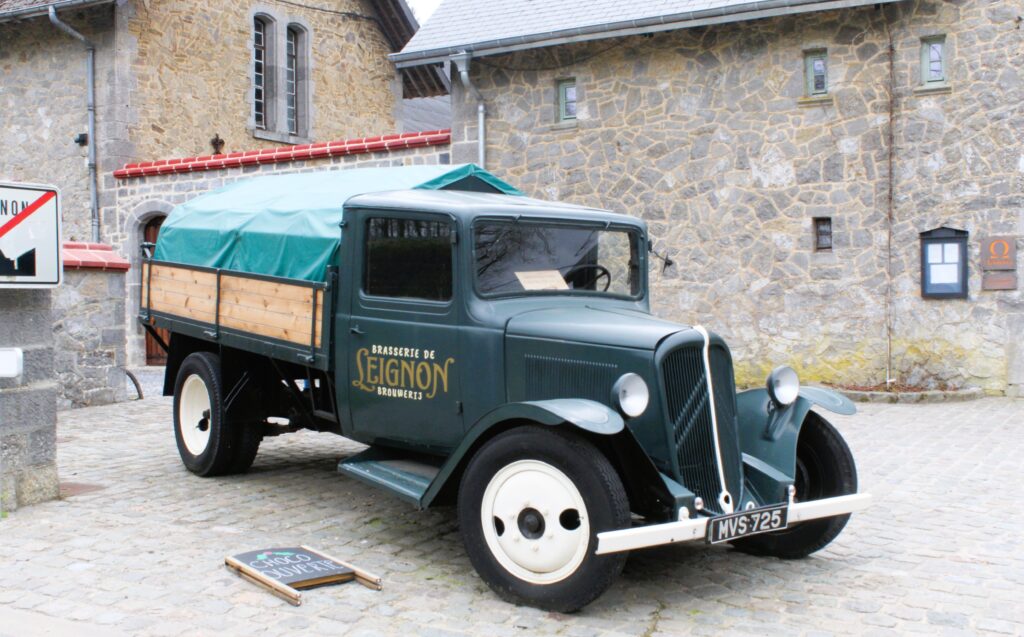
Chateau de Leigonon (Ciney) opened in 2024 as part of a larger complex in an ex-farm on the estate. Belgian Process Solutions installed the extensive kit. They currently brew 3-4 times/month. Beers include Ambree (5%), IPA (5.5%), and Imperial Solstice (8.1%).
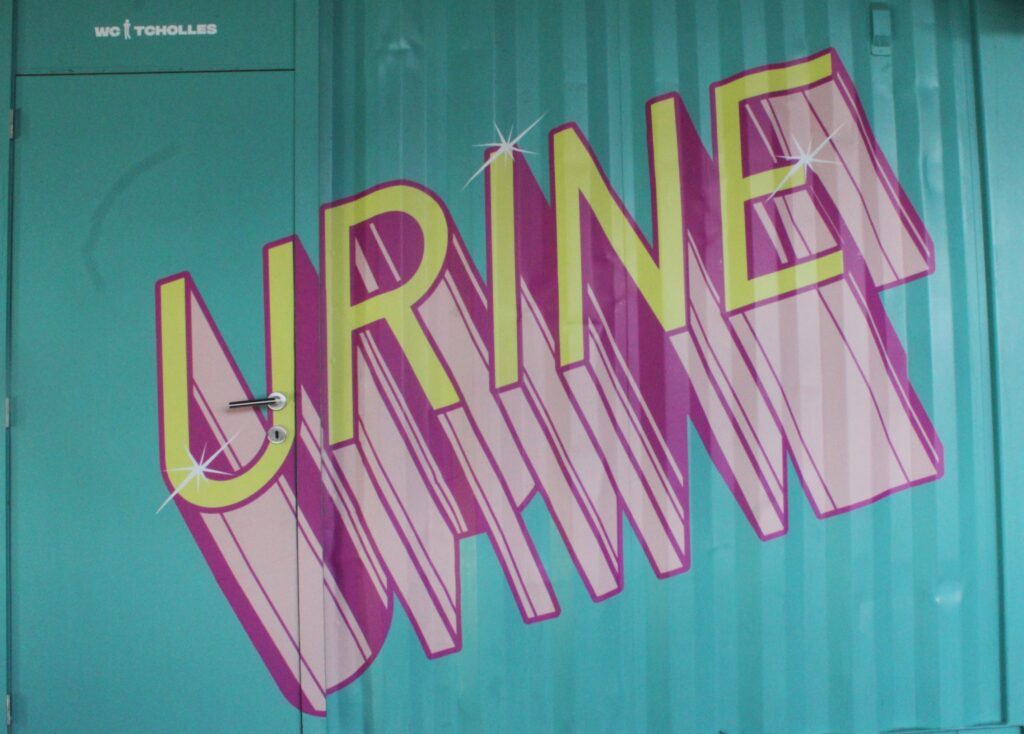
Along the way, several visits were made to brewery taprooms. These included the Duvel-Moorgat Maredsous Monastery microbrewery and bar, the Taproom Brouwerij de Brabandere Brewery (Harelbeke, opened in 2025) and the Trolls & Bush Beer Restaurant and Brewery Tap for Dubuisson Brewery in Pipaix. The Borinage Brewery Tap (Boussu) provided the oddest beer name: Urine Double IPA (7%).
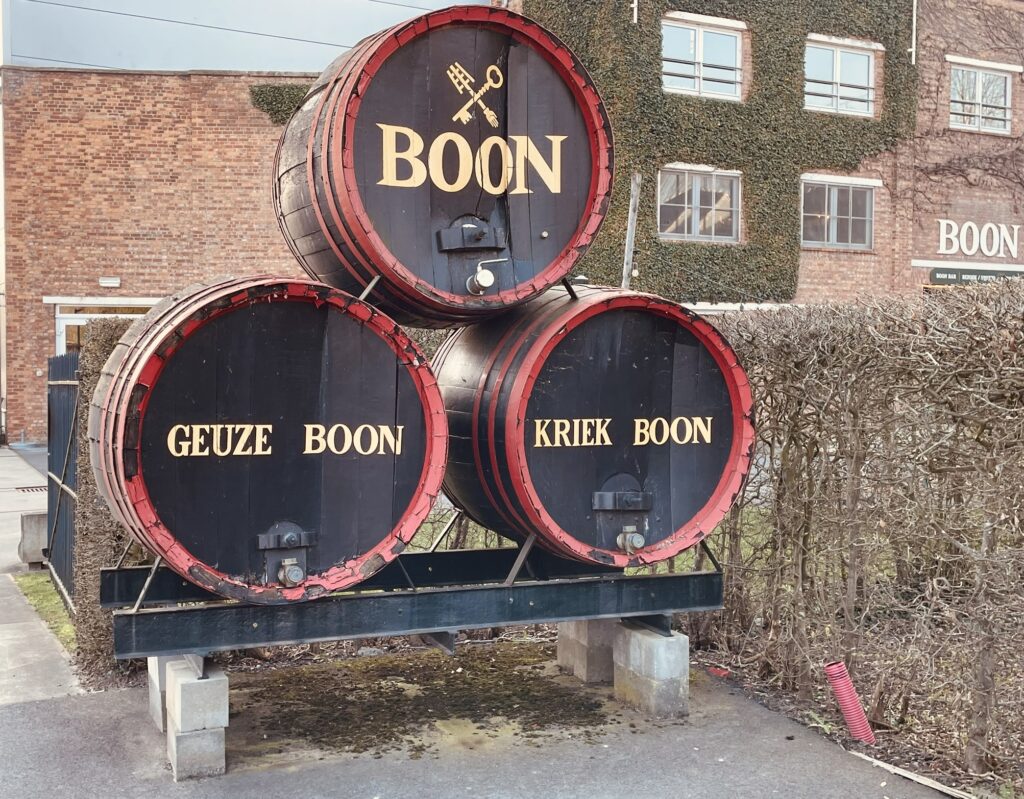
At the Boon Tap Room (Lambeek), Frank, the man who brought lambic back from the dead, appeared behind the bar, then joined us at our table: suffice to say his knowledge regarding foeders, sour beers and barrel aging is unsurpassed. Boon now has the world’s largest stock of lambic beer in oak barrels, 2.1 million litres. Frank retired in 2021 and his two sons now run the brewery.
Across the country are an increasing number of high-quality low alcohol beers. For example, Ramon (in a can, 0.3%) was “Beer of the Year” at the 2025 London Beer Competition. It is brewed using a specially selected yeast that minimises alcohol production while unlocking aromatic, hop-flavours.
Thanks to Podge Beer Tours and Wakefield CAMRA for arranging the two trips which included these, and several other, visits.