To kick off the month, we’ve got something big and boozy coming your way! After working with artist Lewis Ryan on all of our collaborations over the past year, we thought it was high time to get Lewy himself in the brewhouse! He’s created Strawberry Tigers & Rooftop Jacuzzis with us, a smoked strawberry imperial stout weighing in at a whopping 12%.
If you’re a dark beer fan but looking for something a little more on the sessionable side, we’ve got something for you too. Salvation – Cranachan Stout (4.5%), inspired by the classic Scottish dessert that the team have been working hard to learn how to pronounce properly! With oats and raspberries plus lactose for a decadent creamy mouthfeel.

 Also upcoming in the Brewers Emporium range is the next Voyager in the series, this time with Idaho 7, Mosaic and Cascade hops. And it’s been a while since we’ve had a Reaper wheat beer on the roster but there’s an all new one headed out this month… a Froconut Weissen (4.9%), with heaps of coconut, a hint of tasty tartness, and soft esters for balance.
If you’re hungry after all of that, we’ve got those snack cravings sorted with Doctor Morton’s Bag O Nuts (4.1%), a refreshing pale ale with Cascade and Columbus hops. And finally, returning to our line up for the first time since 2017, please join us in welcoming back Damnation (4.5%), a crisp golden ale hopped with Pacific Jade.
Cheers!
Laura
Sheffield brewery is welcoming the city’s student population back with a fresh addition to its craft ‘Gravity’ range.
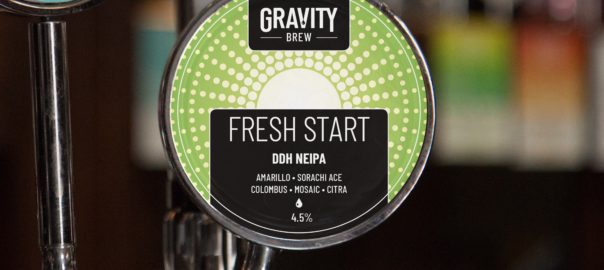
Fresh Start is the brewery’s annual nod to Sheffield’s returning student population; a special craft ale designed to mark and celebrate new beginnings. Fresh Start has a brand new recipe for a 4.5% New England IPA with amarillo, sorachi ace, columbus, mosaic and double dry hopped with citra. It will be available throughout September and October, perfect for landlords wanting to welcome students who are starting or returning to one of the city’s two universities.
Owner of Sheffield Brewery, Pete Rawlinson, said: “Sheffield’s reputation for great beer is becoming more and more prolific and we want those who are new to Sheffield to taste the best we have to offer. We also want to make students feel welcome as they are such an important part of our economy and our city’s culture, so this Fresh Start is dedicated to the cause!”
Of course, Fresh Start isn’t just for students. September is the ‘back to business’ month for most of us after a summer break, so make the most of it and why not pay a visit to our community brew tap to enjoy a Fresh Start with Sheffield Brewery! We’re on Percy Street and will be open during September’s Peddler Market and for hire for special occasions.


In 1975, when the Sheffield Branch of CAMRA was founded, the City of Sheffield had four large and long-established breweries; Stones Cannon Brewery (1865), Wards Sheaf (1896), Whitbread Exchange (1851) and the often-forgotten Hope Brewery on Claywheels Lane (1939). Almost 45 years later, none of these remain.
Today, we have 23 functioning brewing companies. Each has their own brewery, except the one cuckoo, Steel City, established ten years ago, currently brewing at Lost Industry after spells at he Brew Company, Little Ale Cart and Toolmakers. Their first beer, Hop Manifesto (4.8% with bitterness of 81), was a clear indication of what was to follow.
The 1990’s saw the closure of the large breweries. Part of the Bass empire, the Hope Brewery closed in 1992, the Exchange Brewery closed a year later with the sad demise of Wards, closely followed by Stones, in 1999. However, things were changing: as part of a nationwide Whitbread initiative, the Frog and Parrot utilised a cellar brewery from 1982. Their finest moment was when ‘
Roger and Out’ was mentioned in the 1988/89 Guinness Book of Records as the strongest beer in the world (original gravity 1125, 12.5% abv).
1990 saw the first new independent brewery to open in Sheffield for over fifty years when Dave Wickett (1947/2012) opened the Kelham Island Brewery in the beer garden of the Fat Cat. Demand proved to be high: in 1999, they moved 100 m to their present location, subsequently winning CAMRA Champion Beer of Britain for Pale Rider (5.2%) in 2004. In 1996, after five years at Kelham Island, Pat Morton established Abbeydale Brewery and the world welcomed the award-winning Moonshine (4.3%), currently the top-selling cask beer in Sheffield. Ex-Kelham Island brewers went on to play key roles in a growing number of other new breweries including, Brewdog, Thornbridge and Welbeck.
The 1990’s saw three other short-lived breweries. As part of their Hollywood Bowl chain, Bass installed a brewery in the bowling alley at Centertainment (1998/1999) while Drummonds (1999/2000) are chiefly remembered for the name of one of their beers; ‘
Drummonds Dregs’ (4.7%). In addition, the Beehive (as the Foundry and Firkin) became the local brewery for the Firkin chain (1996/2001).
The C20th.brought more change: Crown (Wood Street from 2012) brewed at the Hillsborough Hotel from 2001 until 2015, while Port Mahon (from 2008, Little Ale Cart) used the ‘brick shed’ adjacent to the Wellington from 2002 until 2015. The first decade also saw four current key-players commence: Bradfield (2005), Sheffield (2007), Brew Company (later, Sky Edge, now Exit 33, 2008) and Blue Bee (2011). The Frog and Parrot ceased brewing in 2007 while Little Ale Cart acted as hosts to several cuckoos including Steel City, White Rose and Doncaster-based, Toad.
The pace of change has recently increased: On The Edge, Tapped and Toolmakers (2013) were followed in 2014 by Emmanuales (ceased 2018), Fuggle Bunny and Stancil. 2015 brought Lost Industry, Neepsend, Regather and True North with Little Critters, Sentinel and Mitchell’s Wine Merchants and Hop House Brewing following in 2016. After a short, but torrid, existence Sentinel went into receivership in 2018, Triple Point obtaining the brewer and bar from the Receiver and opening in early 2019. 2018 saw Loxley, Dead Parrot, Hopscotch (renamed as the Crosspool Alemakers Society in 2019) and the wonderfully named St.Mars of the Desert: the brewery with the only koelship in Yorkshire.
Hence in 2019, Sheffield is well-placed for breweries – some in industrial units, some in converted older premises: some use state-of the-art kit, some are a little more rudimentary. However, overall, the quality of the product is much improved, with lots of innovation and a massive range. In 1975, all beer was fined and Saison was unknown in Sheffield while sour implied lemons, not a beer style.
The 1975 Sheffield CAMRA local guide lists only three pubs in the Sheffield One Postal District who are using handpumps: the Peacock Inn (Fitzwilliam Street, Tetley Bitter), the Red Deer (Tetleys) and the Red House (Wards). The Peacock is long closed with the Red House surviving until 2016. Hence, the Red Deer can claim to be the central Sheffield pub with the longest continuous use of handpumps.
Elsewhere in Sheffield, there are only three other pubs who have continuously used handpumps over this period: the Nottingham House (Broomhill), the Rose and Crown (Wadsley) and the White Lion (Heeley). Shakespeare’s, then a Wards pub, had handpumps but these were only for use ‘
in case of emergency.’
Inside the Red Deer, towards the rear of the Lounge is a wall-mounted Joshua Tetley handpump. The accompanying plaque states: ‘
The Joshua award presented to The Red Deer by Sheffield CAMRA to mark its nomination as the branches favourite Tetley pub in the area on the occasion of CAMRA’s 21st. birthday and Joshua Tetley’s 200th. anniversary of brewing on their Leeds site. September 1992.’ The Tetley brewery closed in 2011 and was demolished a year later.
Back in 1975, in a city which had only ten available cask beers, no-one would have predicted that soon there would be over 400 available on a typical day: mostly on handpump. We look forward to this number exceeding 500 at the next Sheffield Beer Census: scheduled for 20/21 February 2021.
As for the best beer produced in the city since 1975, we will each have our favourites. However, I will admit to a soft spot for a 2016 Blue Bee one-off, ‘HEY-HO Six-Oh’ – well, it was my birthday special!
Dave Pickersgill
It was way back in 1984 when I wrote my first ever article for Beer Matters. The first of many I was to write over the next few years. It was an article bewailing the fact that various breweries were using low interest loans to free houses in return for their product, narrowing the choice of beers available and creating a backdoor monopoly. This was back in the days of the tied estate, now fast becoming a twentieth century relic.
The tied estate has largely been replaced by the pub-owning chain, who are at liberty to buy and supply beer from any brewer these days. Progress. Though at the time I and several others in CAMRA questioned whether this was entirely a good thing, coupled with the move by the owners of the tied estates to change from the old-style rents, to leasehold agreements, meant that many pub landlords were forced to leave the trade. Plus it sometimes meant that some old, favourite pubs suffered less than sympathetic renovations that, along with a fetish for giving pubs gimmicky and silly names, meant that the changes weren’t always welcomed. Ah well, progress always comes at a price.
And it was progress. The changes within the brewing industry did lead to far greater choice for you, the drinker.
When I started to write for Beer Matters, Sheffield had four breweries. Four. Down from over 40 individual breweries that had served Sheffield at the beginning of the twentieth century. Whitbread, Stones, Hope & Anchor and Wards, now all gone. All that remains are the names of the beers, brewed by other brewers. Progress? I don’t think so. Neither did anyone else in CAMRA.
Breweries swallowed up by bigger breweries, which in turn were swallowed up by even bigger breweries in a feeding frenzy of eat or be eaten. Big is beautiful, biggest is best. That was the prevailing dogma, and sod the drinker. And the they got away with it. Why? Drinker apathy. “I have always drunk Tennant’s” was something I heard a lot from older drinkers. Well no you didn’t, Tennant’s brewery was swallowed up by Whitbread many years before. So long in fact that I bet you never drank Tennant’s, just a beer brewed by Whitbread using a name they acquired when they bought the brewery.
I recently heard a similar sentiment expressed, “I have always drunk Stones.” Well not any more you can’t. Stones has gone, all that’s left is the name.
Likewise, Wards, now brewed by Robinson’s with different yeast, different hops, and different water. The yeast is especially important as they used both foculating and semi-flocculating yeast; part of what made Wards distinctive, love it or hate it. A marmite beer but distinctive, unique, and now sadly vanished for good. Though truth to tell, Wards had long ceased to be Wards, as changes in brewing and how long it was conditioned in the brewery, from two weeks to a week to three days, meant that it lost its distinctive nose and taste.
The members of CAMRA, weren’t apathetic drinkers. We campaigned to halt the slide towards bland, mass-produced keg beer, we campaigned for choice, for real ale. Through Beer Matters and all the other local newsletters, across the country.
Getting our message into the hands of drinkers by taking copies of Beer Matters into pubs right across sheffield and district. And it worked.
Over 40 breweries at the start of the twentieth century. By the late twentieth century only four. Now, at the start of the twenty-first, 24 breweries, and counting. Real progress.
The tie, originally a good thing, allowing breweries an outlet for their beers, became over time a noose, strangling choice. Not just in terms of beers but in every aspect of sales, from wines and spirits to soft drinks and crisps. I wrote about the absurdity of, pint for pint, soft drinks being far more expensive. Soft drinks. Hard prices indeed.
The big breweries used their tied pubs as milch cows, squeezing every once of profit from them.
CAMRA actively campaigned both locally and nationally against the tie, finally forcing the government to act, limiting the tie to 500 pubs and introducing a policy allowing publicans to buy two beers from outside the tie. A small start but a start.
Opening up the market to the microbrewery, and increasing choice.
The brewers tried to get round the break up of the tie by setting up their own pub chains; remember the Scream and the All Bar One chains, amongst others? Identikit pubs selling identical beers. But the genie was out of the bottle, and we saw the arrival of the Wetherspoon chain of pubs, a genuine chain of freehouses.
Finally more choice for drinkers.
And that choice has grown, but what limits choice now, is geography. Lots of choice in and around city centers but, in the suburbs and outskirts, we have seen the loss of so many local pubs.
Local pubs, so much a part of national heritage, are vanishing at an alarming rate and, if we lose them, an important part of our national identity will vanish with them. Use them or lose them.
I mentioned drinker apathy earlier but it was more than that, it was also loyalty to your local. The local was the hub of the community; it was where you met your friends, your family. No family celebration was complete without a trip to someone’s local. Mums, dads, aunts, uncles, cousins; weddings, christenings, funerals, birthdays; all celebrated down your local. So when the beer range changed, due to yet another takeover, you complained for a while but got used to it. The big brewers dominance was so great that they could offer the same choice offered by the infamous Hobson: it’s this or nothing. I’m reminded of the two chaps drinking in a pub, one says to the other “beer’s rubbish in here since the new brewery took over, I don’t know about you but i will be glad when I have had enough.” A sour joke with more than a grain of truth.
Well CAMRA wasn’t willing to accept Hobson’s choice and we began campaigning for a real and greater choice of quality beer.
The reason CAMRA’s campaign was so very successful is entirely down to grassroots activism, local branches producing a local newsletter that informed the drinker about what was going on in and around their pubs.
The first thing anyone looked at when they got the latest issue of Beer Matters (and I, as editor, was keenly interested in knowing) was not (as I hoped) my usual rant about some topical issue, but pub news; and then who had won this months pub; and finally future events, which part of Sheffield and district we were visiting.
This raised awareness of the pubs that were out there. The pub at the bottom of your road that you had never visited, but had always wondered about. Above all, where to go for a drink.
So much more important than my ranting. But my rants did raise awareness… and get me in bother. Legal action was threatened on several occasions. Thankfully threats to sue came to nothing.
It was an eventful and fun few years as editor. But Beer Matters was never a solo effort. I was entirely dependent on my contributors, the dedicated branch members who sourced the pub news, organised walkabouts, and wrote articles. And the general public who would write in on a variety of subjects. Big thanks to them all.
Without them there would not have been a Beer Matters . Some months, filling eight A5 pages took some doing. Other months, just too much to include in our meager eight pages.
Special thanks must go to the late Mike Hensman and his partner Liz. Both former chairs of Sheffield CAMRA who guided my first fumbling steps as editor, patiently correcting my poor spelling and appalling grammar. They also made material contributions with a number of excellent articles and helped in redesigning Beer Matters masthead.
Also thanks to Jenny Lightowler and Dave Staves, who took over typing duties and helped improve the look of Beer Matters. so much so that it won CAMRA’s award for most improved local newsletter. Result.
Thank you also to everyone who turned up every month to staple Beer Matters as it came as 4 A4 sheets that needed stapling and folding. Special thanks are due to the late Jack Ware and his lovely wife Carol, they never missed a stapling night and more importantly distributed copies to pubs in their area.
Thank you everyone who, over the years, has helped distribute Beer Matters to the pubs around Sheffield. After all, if it’s not available in pubs, it cannot be read.
Finally a special thank you goes to my friend John Beardshaw. He has been with Sheffield CAMRA from its earliest days, helping organise its first and all subsequent beer festivals. He has also been from the start, and continues to be, a contributor to Beer Matters.
All the way from back in the days when it was called the Parish Pump, and was two sheets of A4, photocopied and stapled together, to the present. From such humble beginnings, great things have grown.
In truth, the current format of Beer Matters is a great improvement on my own humble efforts. It is now a highly polished and professional looking magazine and not just a simple newsletter.
Talking of humble beginnings, the big four breweries that dominated the brewing scene in Sheffield have gone, fallen over like ancient trees in a forest, leaving space and light for the saplings to grow. And they are growing.
From four to 24 breweries. Marvelous.
And joy of joys, an exciting new range of beer styles.
Plus the rebirth of old (and I thought long since vanished and forgotten) types of beer. In particular, oatmeal stout and milk stout. I thought milk stout had vanished in the 60s with the demise of John Smiths bottled Milk Maid Stout. Ideal for nursing mothers, invalids, and of youngsters, “but don’t tell your mum and dad” as my fun uncle told me. Now a proper cask version is available. Oh joy.
We really have come a long way from days when lager was the new, hip drink, and bitter was what your dad drank. Now lager is the dad drink and cask beer is the choice of a new more discerning generation of drinkers.
500 issues of Beer Matters. here’s to the next 500, cheers.
Adrian Staton
Former Editor
Morecambe a popular seaside resort in the mid 20th century, but now it’s more famous for its potted shrimps and the birthplace John Eric Bartholomew or known to millions as Eric Morecambe. A town that’s always looked to its near neighbour in Lancaster for a different variety of real ales. Well times are changing with two new micropubs opening, one in Morecambe itself called Embargo craft bar and the other in the nearby village of Bare aptly named The Little Bare.

The first Micro pub we visited was Embargo bar which is situated on the front overlooking Morecambe Bay and the Lake district. Embargo bar was opened just before Easter 2019 and is run by Jamie Fawcett. Originally a cocktail bar Jamie and his business partner decided to give the place a lick of paint and use the skills they learnt in the industry to do something that they always wanted to do.
On our visit there was 4 cask beers on which were Old Mill south paw golden, a golden ale at 3.6%, Butcombe stumps golden 3.6% another light slightly happy beer, Castle rock Black gold, a dark mild ale quite sweet at 3.8% and a beer that’s only available at Embargo called NJ wonder Edens Northern wonder ale a good 4.4% session bitter. Our choice of the day was the castle rock. Along with 4 casks Embargo has 7 keg beers with the ever popular Tiny rebel marshmallow porter being our favourite on the keg side.
Our next day was a trip to the nearby village of Bare which is roughly 2 miles from Morecambe to The Little Bare micropub. This is a family affair run by Val, Nick,Julie and Ruth McCann. They decided to have a crack at their own micropub after visiting The Curfew in Hexham and decided that Bare had a real community feel to it and this was a perfect place to open one. Originally a wine shop it took them 9 months to get it up and going.
On our visit there was 5 real ales along with a real cider, these were Barngates goodhews dry stout (a camra North west winner 2011), two beers from Roosters, Gridiron a red American amber beer 4.9% and Twentyfour seven an I.P.A that was very happy, Corless kuiper a pale American style ale at 4% and a local beer from Farm yard ales called morello cherry a slightly sour style beer at 4.4%. The Barngates and The roosters gridiron being the joint favourite’s that day. We also thought we would try the real cider, watergull orchard 6.9% which was definitely a nightcap.
Whilst chatting with the owner’s I mentioned that they inspired the guys from the Ashton Tap house in Ashton under Lyne to open, they said they will pay them a visit one day. Let’s hope the guys from The Ashton Tap inspire likewise individuals to open their own micropub in the future.
We are pleased to announce that our branch’s entry into the competition, the New Barrack Tavern on Penistone Road, has won and is now one of the final 16 pubs being judged for the national Cider Pub of the Year award!
We’ll be arranging for an award presentation party to take place in the autumn, watch this space for details!

I first joined CAMRA at Sheffield beer festival when it was held at Hallam Student Union’s Nelson Mandella Building, which has since been demolished. I was actually recruited to join a national committee before I attended any local branch event – it was a new initiative to better recruit and involve younger members in the 18-30 age group. That would have been about 20 years ago.
Like any volunteer organisations, you need new younger people coming in and getting involved in order to keep things going in the future as the old timers step down from active roles – and also to keep fresh ideas coming an ensure we are in touch with the modern scene. The thing with younger volunteers though is naturally many drift off as a result of living live – they start to get careers and families taking up time!
The additional challenge for CAMRA back then was getting younger drinkers interested in real ale in the first place – it was viewed as an old man’s drink, lager was the cool choice, although some did buy into the marketing for smoothflow keg bitters that were the new thing.
When I first started drinking, Sheffield could still be divided up into quarters of bitter loyalty based on where the breweries had pubs – there were Tetleys, Stones and Wards areas, plus Whitbread still had a lot of pubs where you could get the likes of Trophy Bitter or Boddingtons on cask. Mansfield also had a notable estate of pubs in the city. Some of the classic regional/family brewers beers did appear too – so the likes of Timothy Taylors, Theakston and Black Sheep for example.
I can remember standing up at a CAMRA national AGM & Conference in Blackpool when policy on alcohol advertising was being debated and someone suggested big brewers should be banned from advertising but micros should be exempt. I disagreed – the likes of Tetleys was well marketed nationally and was considered a gateway into real ale for younger, inexperienced beer drinkers who may try that and then become a little more adventurous.
Not long after I joined CAMRA we saw Wards and Stones breweries close, leaving Kelham Island Brewery as the biggest in the city. Abbeydale was smaller and quite young back then and that was about it in Sheffield although there were one or two other small local breweries around Rotherham, Barnsley and Doncaster.
Another point to note back then was all pubs had to shut at 11pm (10:30pm on Sundays), if you wanted to drink later you had to go to a nightclub. Generally anywhere that was fun and lively around town on a Friday or Saturday night didn’t have decent beer and the fall back safe, widely available option for the discerning drinker was a bottle of Becks German lager. Kind of the role Brewdog Punk IPA plays these days!

A few key landmarks in the years that followed that changed the beer scene for me
- introduction of progressive beer duty so small breweries pay less tax, giving them a chance against the big boys with big budgets. This resulted in a massive wave of new microbreweries opening. I admit some were better than others, some have stayed in business and some haven’t! We now probably have the most varied choice of beers we’ve ever had on the bars! On the negative side the market is crowded and not helped by restrictive beer supply ties operated by some big pub companies.
- The launch and successful sales and promotion of Abbeydale Moonshine. When first introduced this was something of a revelation – a pale ale with New Zealand hops offering a citrus character.
- Licencing reform – pubs and bars can apply for a licence to open for whatever hours suit their business, subject to local authority approval. It hasn’t led to 24 hour drinking and fighting that the media predicted, nor have we gained a European pavement cafe culture some hoped for either (probably the weather) – but you can now get a decent beer and relax in a proper pub after 11pm and there is no longer pressure on takeaways and transport when all the pubs kick out together at 11pm and the clubs kick out on mass at 2am
- The craft beer revolution – OK, it is an American term and a lot of the language is marketing hype and fashion. There is also no definitive explanation of what exactly ‘craft’ means in terms of beer. However at the end of the day it has meant beer is speaking a language that appeals to a wider audience, it has people interested in different beer styles, discussing beer and enjoying it. It means there are lots of breweries producing good quality beer across a massive spectrum of styles and more pubs and bars are stocking it – across cask, keg, can and bottle.
Now going back to my earlier comments about younger drinkers, there has been a huge cultural change and generally it is the younger drinker that is embracing trying new things.

OK the old fashioned brown, malty bitter still doesn’t necessarily appeal – I remember a despairing conversation with a manager at the Varsity bar on West Street who had clearly had a memo from head office to try and be better at selling the ale but complained they were a student orientated bar and young people don’t drink real ale… looking down at his three handpumps, all filled with national brands of boring brown bitter I suggested he attended the student union beer festival where they sell out of over 50 different ales over 2 days to see how they did it…
The thing now with the craft beer revolution, those younger drinkers we struggled to attract to real ale are now drinking and experimenting with all sorts of different beers and enjoying it. OK, not all those beers are on cask or real ale and they don’t really care, but the important thing is they are choosing beers on the basis of taste and enjoyment and have the choice on the bar to do so, and that is why CAMRA was formed back in the 1970s – to keep quality, tasty beer options available on the bar. (It just happened real ale in a cask was THE quality option back then).
So the challenge for CAMRA now – well we still need to encourage people to join up and more importantly get involved, volunteer and enjoy – and in the current “craft” scene we need to ensure our image is relevant. Meanwhile from a campaigning perspective, the priorities have changed. Whilst we can take a step back from pushing for real ale to be available on the bars and to some extent from pushing some of the consumer issues – there are big campaigning issues keeping community pubs alive, keeping the cost of beer reasonable and keeping the anti alcohol lobby at bay – amongst other things.
Still plenty of campaigning, promoting and enjoying of beer to be done for many years yet! If you aren’t already a CAMRA member do consider joining. If you are a member we’d love to see you get more involved, be that coming along to socials or pub award presentions, helping deliver magazines, updating pub entries on whatpub.com or ultimately joining the committee and helping make things happen.
Sheffield’s beer scene is currently fantastic, vibrant and full of great people, great pubs, great beer and some fantastic initiatives -and we’d love to continue to be part of it!
Andy Cullen
My earliest beery memories of Sheffield are sad ones. I recall going past Whitbread’s enormous Exchange Brewery which the group upgraded at a cost of £12 million then closed a couple of years later, such was the profligacy of the beer giants at the time.
There were two Bass breweries in the city and I visited one on the outskirts with views of the moors. It had open Yorkshire Square fermenters and – if memory serves me – was producing Worthington White Shield, the legendary Burton IPA that had become a beer on wheels when Bass got tired of brewing it in its native town.
Bass owned Stones, a fine beer that rivalled Boddingtons in its pallor and equally refreshing character. It was brewed elsewhere in the Bass group when the brewery closed but is never seen these days.
Closer to the centre, Wards was a Sheffield icon, producing soft, malt-driven, creamy but refreshing beers for legions of thirsty steel workers. I visited shortly before it closed, a victim of the shocking asset stripping that destroyed the Vaux group.
And then came Dave Wickett, who started the beer revival in the city, first with the Fat Cat and then Kelham Island Brewery. I got to know Dave well as we shared a love of both beer and football – I think we spent more time discussing the mixed fortunes of Sheffield United and West Ham United than we did brewing!
Dave told me a wonderful story of how he bought the Fat Cat, refurbished it and was ready to open but he didn’t have any beer. He phoned Wards, who were still brewing, and none other than the head brewer came round and asked to see the cellar.
“I’ll tell you what I’ll do,” he told Dave. “I’ll put a cellar tank in with pressure points on the bar and away you go.”
“I don’t want that,” Dave said. “I want casks and handpumps.”
“Nobody wants to drinks that anymore,” the man from Wards said and stormed off in a huff. In desperation Dave phoned Timothy Taylor in Keighley and asked if he could buy an 18-gallon cask of Landlord and was told Sheffield was outside the brewery’s delivery area.
So Dave drove to Keighley, put the cask in the boot of his car and took it back to the pub. Two days later he phoned Taylors who said they expected he’d been unable to sell the beer.
“No,” Dave told them. “It went in two days and I want two more casks.”
“In that case, we’ll deliver,” Taylors said and with just three cask of ale Dave Wickett helped the brewery turn Landlord into a national brand.
From small acorns…today there are 20 breweries in the city. The choice is amazing, with superb beers in some equally superb pubs. And what better way to greet visitors to Sheffield than to offer them a pint or two in the Tap at the station. Behind the downbeat address of Platform 1B stands an architectural gem serving fine pints.
Beer Matters has been recording the ups and downs of Sheffield beer and pubs for 500 editions. It’s a remarkable achievement and underscores all that is best about CAMRA – volunteers devoting many hours of their time to support good beer and good pubs on their local patch.
Many congratulations – and here’s to the next 500!
Roger Protz
There is a new bar in town in the vicinity of the lovely Kelham Island area of the city. This new venture is the dream of a guy called Coenon and his father, sadly his father never saw their dream flourish, so Coenon has worked tirelessly to complete and open PA’s Bar & Bistro.
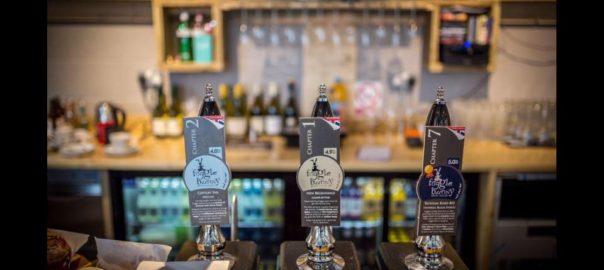
This warm and friendly little gem has a selection of drinks but has chosen our multi award winning Fuggle Bunny Brew House limited to supply the cask ale side of the bar. Therefore there will be a selection of three handpulls serving our fuggletastic quaffable ales.
So don’t forget to show your support for another new venture in the city and Hop in whenever you are in the area, you will not be disappointed. Good luck to Coenon and his wife, family and team… I am sure your dad will be looking down on you feeling very proud at what you have accomplished.
Wendy, Fuggle Bunny Brewhouse
Recent new beer releases from the
Brewery of St Mars of the Desert (SMOD) in Attercliffe include “Leavy Greave”, a 7.7% New England Double IPA and “Triple”, an 8.2% Belgian style golden triple.
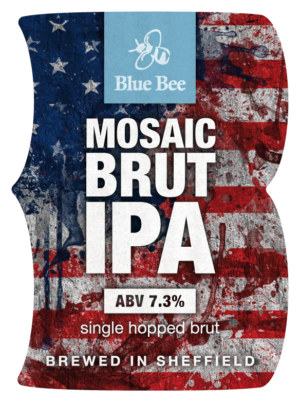 Blue Bee Brewery
 have celebrated their 600th brew by producing a 7.3% mosaic single hopped Brut IPA.