Drink Greener – plastic pints

As part of CAMRA’s Drink Greener campaign, we have partnered with an organisation called A Plastic Planet who are campaigning to see plastic pint pots included in the ban on single use plastics.

The use of plastic pints can be a licensing condition for some venues because of the safety implications of using glass. However, with more and more alternatives to plastic being created, these conditions can be overly restrictive in the materials they specify.

If you are aware of the local authority imposing such requirements near you with no flexibility on what material the “safe glasses” can be made from other than plastic we have a template letter members can download to send to the licencing departments – this is available online from the Members Campaign Hub .

Search for the best looking pubs

The Campaign for Real Ale is on the hunt for the very best examples of pub design for its prestigious Pub Design Awards, held in conjunction with Historic England.

The competition recognises the highest standards of architecture in the refurbishment and conservation of existing pubs as well as in the construction of new ones. They are judged by a panel of experts in design and conservation.

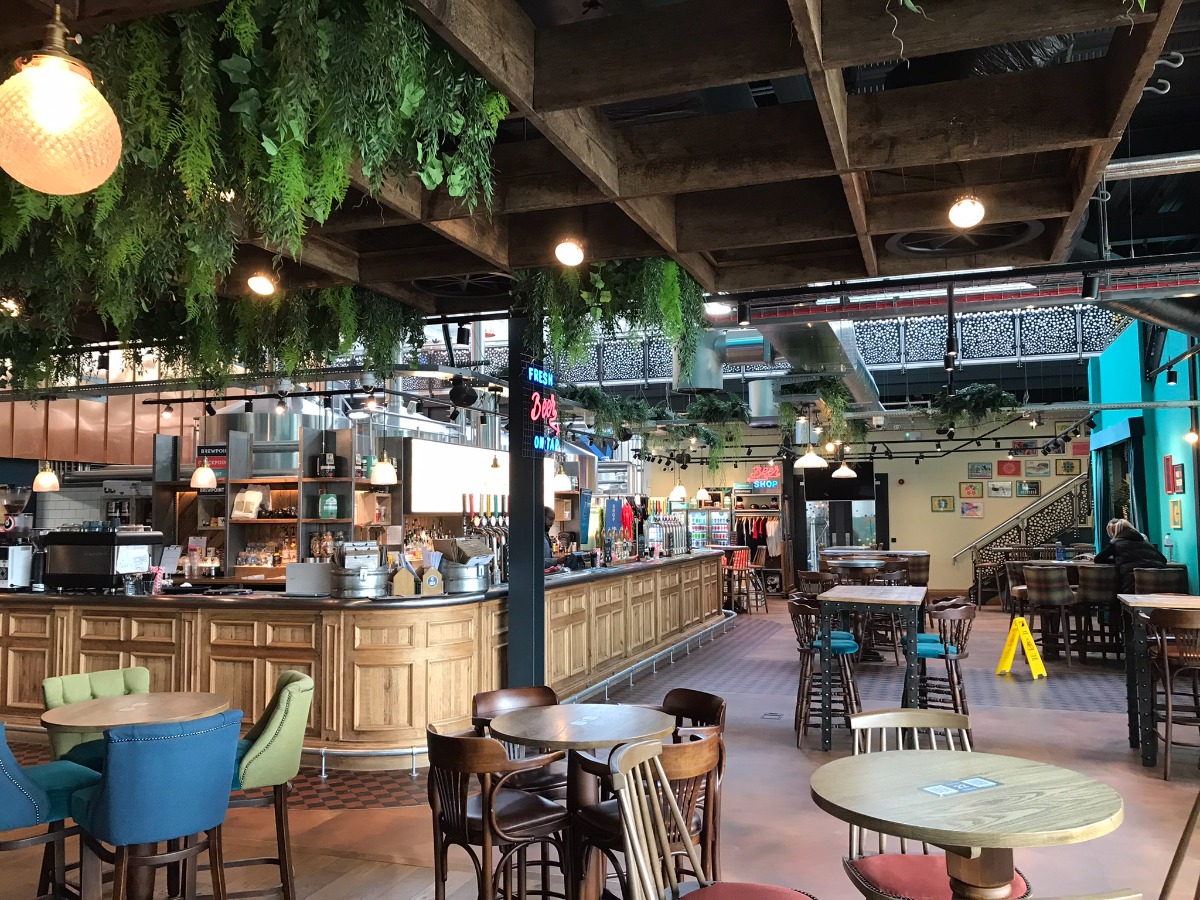
Past winners include the Boleyn Tavern, a former East End gin palace built in 1899, Wells & Co’s new flagship state-of-the-art Brewpoint (pictured) and the famous King’s Arms in Dorchester – to name a few.

Pubs can enter the award across five categories:

  • New Build – which assesses newly built pubs, that can reflect the past or be completely modern
  • Conversion to Pub Use – for outstanding conversions of buildings which were built for other purposes
  • Refurbishment – which ranges from a complete gutting and replacement to enhancing the design of what was originally in the pub
  • Historic England Conservation – sponsored by HE, this award is given for work which conserves what is good in the pub to ensure its future for generations
  • Community Local – reserved for outstanding refurbished street-corner locals

Work should have been completed between 1st July 2021 and 30th June 2022. Andrew Davison, Chair of CAMRA’s Pub Design Award says: “The Pub Design Awards are a fantastic opportunity for pubs to showcase their outstanding achievements in redesigning their space for future generations to come. They represent excellence in design and innovation and make for some of the best-looking pubs across the UK.”

The competition is free to enter and closes on 13 November. To enter, please visit: https://camra.org.uk/pubs-and-clubs/awards/pub-design-awards/

Call for changes to the Pubs Code

The Campaign for Real Ale (CAMRA), which campaigns on behalf of 160,000 pub-goers, is urging Government to ensure that licensees are treated fairly.

The campaigning organisation is calling for a fundamental change to the Pubs Code for England and Wales, which was introduced to balance the relationship between pub companies and their tied tenants.

CAMRA has raised serious concerns about its operation and effectiveness and is calling for the Code to include more types of tenancies, give licensees the right to serve a guest beer, tackle the ongoing issue of dilapidations, require pub companies to publish information about rent assessments and give the Pubs Code Adjudicator more power and resources.

The policy submission follows new research from the Campaign which found that most licensees with regulated tenancies do not feel that they are treated fairly and lawfully nor that they are no worse off than a free of tie tenant – the two core principles that the Pubs Code was introduced to uphold.

CAMRA is also calling for direct communication between the Pubs Code Adjudicator and tied tenants, clarity over gaming machine ties, and for more public information to be made available by pub companies.

Commenting, CAMRA’s Campaigns Director Nick Boley said:

“As consumers, it’s important to us that tied tenants can make a long-term success of their pubs and shape the unique character of their businesses to become an integral part of their community. This isn’t possible without a balanced relationship between licensees and pub companies, and CAMRA is keen to see the review of the Pubs Code in England and Wales used to its full potential.

“It’s vital that the Pubs Code works as originally intended by Parliament so that tied tenants are guaranteed fair and lawful dealing, and that they are no worse off than free of tie tenants – particularly given the challenges currently faced by the whole pub trade.”

“I hope that Government takes this opportunity to make substantive changes to the Code and create a fairer system that works for licensees and consumers, as well as pub companies.”

Notes to editors:

CAMRA’s full submission can be found at https://camra.org.uk/campaign_resources/camra-submission-to-the-pubs-code-and-adjudicator-review/

CAMRA conducted a survey of tied tenants between 15 July and 8 August 2022, which included the following questions:

Do you think that you are treated fairly and lawfully as a tied tenant?

Yes22%
No73%
Don’t know4%

Do you think that in terms of all costs and support provided to you as a tenant, you are no worse off than a free of tie tenant?

Yes24%
No73%
Don’t know2%

HQ Brew

In these days that continue to see more and more breweries having to close, it’s refreshing to report that a new one is in the pipeline. HQ Brew, being set up by the Harlequin pub in Nursery Street may brew its first beer by the autumn.

Landlady Liz Aspden, of the self-styled ‘Worst Pub in Sheffield’ told me all about it. Liz has been at the pub now for 12 years, so is well-known to many connoisseurs of good (no matter what she says) pubs in the city. For anyone who doesn’t know Liz, I refer you to one William Shakespeare (who founded a pub in nearby Gibraltar Street) and clearly knew her, saying of her in his blog A Midsummer Night’s Dream ‘Though she be but little, she is fierce’.

For most of her tenure, house beers were supplied by the Brew Company, which briefly became Sky’s Edge, and then Exit 33. A year or so before the Covid pandemic struck, the brewer took a year off due to ill health, and the pandemic put an end to any chance of the brewery recommencing at that time – not much point in brewing, when there are no pubs open to sell the beer to.

A few months ago, Liz thought it might be an idea to open her own brewery using the old Exit 33 kit. Her plan was to create a social enterprise operation, with all profits going to local (30% ring-fenced for South Yorkshire), national and international charities working to support girls and women. To test the water, and find out what level of support there may be, she embarked on a crowdfunding venture which raised over £3000 in 28 days. More funding was also raised directly, and supporters can still contribute at the pub or via harley@hqbrew.uk. Contributors will get the opportunity to vote on what charities are supported and invitations to launch events etc. and various merchandise depending on level of contribution.

Much cleaning and renovation is needed at the brewery, together with the usual rain forest sized amount of paperwork. When all that has been completed brewing can begin. George Barker, who many will remember as long-time barman at the Harlequin, graphic artist par excellence, and owner of the deepest voice in Sheffield, will be the brewer under the tutelage of the former Exit 33 brewer at first. George is currently engaged on the Forth Bridge-like task of repainting the Harlequin’s exterior.

When brewing commences, there will be test brews which will go on sale in the Harlequin, then regular and one-off brews which will also be offered for sale to other pubs, festivals or whomever. Styles will likely be hoppy pales and stouts, with limited use of adjuncts – maybe a ginger beer or vanilla stout, but anyone looking forward to a crème de menthe barrel-aged quince imperial pastry sour will be disappointed!

So let’s all look forward to tasting the first, and subsequent, HQ Brew beer and celebrate the newest addition to Sheffield’s long brewing heritage. For further information, see HQ Brew’s website hqbrew.uk.

John Bratley

Half Pint Marathon

The Half Pint Marathon is back this September with a number of pubs and bars across the city serving two charity beers. Pick up and register a collector card and enjoy a half of either beer in every participating pub and you can claim a copy of the exclusive Half Pint Marathon artwork designed by Will Reah (“Willustration”) featuring the participating venues. The two beers are Run Free (4.5% session IPA from True North Brew Co.) and Run Wild, a 4.7% Session NEIPA from Heist Brew Co.

For every half pint of the special beers sold a donation will be made to Sheffield Mind, a Sheffield based charity which provides support to people with mental health issues. Sheffield Mind Business Development Manager Lindsay Doyle-Price said “Sheffield Mind is delighted to be a part of the Sheffield Half Pint Marathon again this year. The ongoing support of True North Brew Co. and the support of Heist Brew Co. this year, means a lot to us. Not only does this annual partnership generate much needed funds to support the work we do in the city, but by engaging local people in the campaign the teams are helping raise awareness of mental health and the work Sheffield Mind does to support people with mental health needs”.

Venues participating in the Sheffield Half Pint Marathon 2022 are:

Inn Brief

The Bull’s Head in Ranmoor is under the new management of Sam Hall who is running the pub with an outlook of “simple things done well”. Sam is aiming to welcome locals to a friendly community pub. He usually has a traditional bitter and a lighter beer from regional brewers and local ones including Abbeydale and Bradfield. There is live music most Friday nights and the pub boasts a south facing terrace and beer garden.

After a good few years of whispers and ideas, The Bar Stewards, The Crow Inn, and Shakespeares Ale & Cider House have decided it’s about time to shout about the area of which they stand as (sort of…) the three corners and have formed “The West Bar Triangle“. The three pubs will be launching what they hope will be an exciting initiative that promotes the area and all of its local, independent businesses while coming together to put on a regular good old knees up – starting with a launch festival from 2 to 4 September that will see the bars put on simultaneous tap takeovers across cask and keg, featuring some of the UK’s best breweries. With other bits and bobs to be confirmed, this looks to be a smashing weekend to kick off a fantastic local partnership.

Firepit Rocks on West Street closed during August for a refurbishment.

With Magic Rock Brewing of Huddersfield now under new, less controversial ownership the annual Cannonball Run event returned to some bars in Sheffield. This saw three versions of their Cannonball beer on bars alongside each other – Human Cannonball (9.2% ABV West Coast DIPA), Neo Human Cannonball (9.2% New England DIPA) and Super Human Cannonball (10% Imperial IPA) at the Dark Horse in Banner Cross and Abbeydale Tap on Abbeydale Road.

Time for another mention of the Tunnel Tap at Totley Rise shops which has been a long time coming with the conversion work from a shop/office unit into a neighbourhood bar, August saw staff recruitment taking place and shopfitting work including building the bar and fixed seating, it is now expected to open early September, keep an eye on their social media for announcements!

Some of you may have noticed the Three Tuns in Sheffield City Centre closed, the pub is owned by Star Pubs & Bars (part of Heineken) who lease it out to an independent local operator with a tied supply contract, they are currently looking for a new long term tenant and in the meantime intend to reopen it with a licensee on a short term deal according to reports in the Sheffield Star newspaper.

The Antics Improv comedy troupe have been doing some free gigs in pubs alongside their main ticketed shows at the Lantern Theatre. 18 August saw them perform at the Dorothy Pax and they have a show at Grafters Bar on 1 September.

The winners of the Yorkshire Pub and Club of the Year awards have been announced. Pub of the Year is Heaven & Ale in Barnsley whilst Club of the Year is Hanging Heaton Cricket Club in Hanging Heaton (near Dewsbury).

Hop Hideout based in Kommune in Sheffield City Centre, reports the recent hot weather led to a boom in sales of craft cider and perry from their shop’s fridges. Popular brands included Purbeck Cider, Artistraw Cider and Olivers.

Jack Cater, who had the Railway on Bramall Lane before Covid, is back in the pub game with another Railway Hotel – the one on Penistone Road North in Wadsley Bridge. As before expect a selection of real ales and additional craft options on keg.

The Real Lily the Pink

Back in 1968 a comedy band called The Scaffold, which included Paul McCartney’s brother Pete and poet Roger McGough had a number 1 hit with “Lily the Pink”.

We’ll drink a drink, a drink

To Lily the Pink, the Pink, the pink

The saviour of the human race

For she invented medicinal compound

Most efficacious in every case

What may on the surface appear to be a novelty drinking song is in fact based on a real person and her real product.

Lily the Pink is based on the American businesswoman Lydia Pinkham (1819-83) who produced her own vegetable compound from 1875. This was said to contain black cohosh, unicorn root, life root, pleurisy root and fenugreek, preserved with 19% alcohol. This was originally marketed as a “woman’s tonic” for menstrual and menopausal symptoms.

This vegetable compound became very successful with her local community, then further afield. Branding played a major part in the compound’s success and Lydia Pinkham’s face was used in all the branding. Indeed she is the first woman whose likeness was used in her brand.

Over time the list of complaints Pinkham’s vegetable compound claimed to be able to cure grew. It was even marketed as an aid to fertility and marketed under the strapline “there is a baby in every bottle”. Lydia Pinkham was one of very few people at the time who was speaking openly about women’s reproductive health, then a taboo subject. She even published pamphlets about menstrual and menopausal health and also encouraged women to write to her to ask questions they were too embarrassed to ask a doctor.

However, doctors and the medical establishment did not approve of Lydia Pinkham and dismissed her as a quack, which might be considered understandable given that her compound was claimed, among other things to prevent faintness, flatulence, insomnia, depression, the cure of kidney complaints and even ovarian cancer. In 1922, it was described as a “valueless preparation kept on the market for about fifty years by means of lying advertisements and worthless testimonials.”

After Pinkham died in 1883 her family took over the business and continued to promote her image. During prohibition, the alcohol content rose to about 40% and people turned to Pinkham’s medicinal compound in order to get intoxicated.

As far back as the 19th century, the alcohol content and claims of cures for feminine issues provoked mockery in the form of bawdy drinking songs. Lilly The Pink by The Scaffold is a highly sanitised version of those early drinking songs. Some sample verses from the 19th century are below.

Mrs. Jones she had no children,

And she loved them very dear.

So she took three bottles of Pinkham’s

Now she has twins every year.

Lottie Smyth ne’er had a lover,

Blotchy pimples caused her plight;

But she took nine bottles of Pinkham’s–

Sweethearts swarm about her each night.

Oh Mrs. Murphy (Oh Mrs. Murphy)

Was perturbed because she couldn’t seem to pee

Till she took some of Lydia’s compound

And now they run a pipeline to the sea!

And Peter Whelan (Peter Whelan)

He was sad because he only had one nut

Till he took some of Lydia’s compound

And now they grow in clusters ’round his butt.

The company continued in family ownership until the 1930s and after World War II the US Food and Drink Administration intervened and the company made significant changes to the tonic and its alcohol content, as well as the claims being made about what it could cure. Lydia Pinkham Herbal Compound is still on sale in the United States. It is no longer alcoholic but may well still be most efficacious in every case.

Thomas Sturgess

Abbeydale Brewery

The next of our Hopback cask only series is on the way, this time showcasing the Chinook hop (4.0%). Chinook doesn’t get much opportunity to shine solo, more commonly being used in a blend of hops, so we’re really pleased to be giving it a moment in the spotlight in this refreshing pale ale. Like a breeze through a forest of pine with a lovely, pithy grapefruit character alongside.

And also available in cask only, Dr Morton’s Safety Beer (4.1%) featuring the Aussie combo of Galaxy & Vic Secret hops is always a crowd-pleaser of a pale ale, with a tropical melange of passionfruit, mango and pineapple on the palate.

Moving on to our Brewers’ Emporium releases, Pathfinder from our hazy pale ale series (4.5%) makes a return this month, albeit with an all-new hop blend of Amarillo, Loral, and experimental variety HBC 586. Soft and juicy, with fruity flavours ranging from mandarin to mango and grapefruit to guava. 

And we also have a couple of seasonal releases on the way! We’ve made our first ever Festbier, and gone as classic as we can for Oktoberfest (5.0%), creating a balanced, clean and crisp beer with a rich, bready aroma and a delicately spicy noble hop character. Full bodied yet uber quaffable! And finally, our pumpkin spiced beer Pilgrim (also 5.0%) is back towards the end of the month! Probably our most divisive beer, but we love it, and we’re very excited at the prospect of it gracing bars again throughout spooky season.

Welbeck Abbey

Welbeck Abbey Brewery have some super specials lined up for the summer months and are brewing for both cask and bottled beers, with in-house bottling continuing to prove a success.

Nightingale will be available in cask only and has started shipping to pubs and bars, so keep your eye out for this proper English IPA appearing in your local. Named for a beautiful mature woodland spot right at the heart of the Welbeck Estate, this 5.5% IPA is as British as they come; packed full of English Goldings and UK Cascade hops, which give herbaceous notes, and balanced with honey-sweet caramalt.

Another cask-special to look out for is Watermeadows. This 4.5% lager-style pale ale is the perfect summer-time sup, with subtle meadow-fresh hop notes and a crisp, dry finish from European hops. Named for the Carburton Watermeadows, a low-lying grassland area near Welbeck, home to an array of rare and wonderful wetland wildlife.

In bottle, as well as cask, you can expect to see two new specials: Fiery Fox and Farrier. Fiery Fox is a classic pale ale with a twist; brewed with the addition of both fresh root and ground ginger.

Welbeck Managing Director, Claire Monk, says “Ginger beer is a quintessentially British non-alcoholic drink. Whilst it’s a refreshingly crisp drink without the ‘beer’, we think it’s much better with. The heady aroma of ginger and sweet biscuity taste make for a drink as smooth and sophisticated as the Welbeck night-time visitor; the wily fox.”

Farrier, which is available in minikeg as well as bottle, is a dark red ale, with rich caramel tones. This is one for the Red Feather lovers out there, and anyone who likes a dark beer. At 5.5% it has all the bitter-sweet and nutty flavours of Red Feather but packs much more of a punch into every glass. Horses have always played a huge part in the history of The Welbeck Estate and this beer evokes an equestrian, countryside feel that’ll have you reaching for your riding crop and boots.

If you want to know where and how the magic happens, you can see for yourself on one of the Wednesday night brewery tours that run through to September. Book online via Eventbrite and for just £10, you can enjoy a full tour of the brewery, two free-pints and the opportunity to ask Claire anything you like about how her award-winning ales are brewed.

And don’t forget, if you live outside of Welbeck’s local delivery area you can now order from their core range via the Best of British Beer website.

It’s just beer, mate!

If there is one thing beer likes, it’s labels. Not a week goes by when a new acronym isn’t being wheeled out to confuse everyone, leaving them debating what on earth it stands for.  IPA, DDH, TDH, HDHC, you name it we’ve had it. There’s even been a TDHNDDIPA recently thanks to Verdant Brewery down in Cornwall. Yeah, figure that one out if you can! It doesn’t stop there either, as we try to pigeon-hole beer even further into either ‘craft beer’ or ‘real ale’.

Whilst I appreciate the effort to differentiate between what could be an old-school or traditional IPA and a thick and hazy juice bomb, at what point do we just accept that it’s all beer at the end of the day? Much like the tribalism of old where people defended their favourite brand to the hilt, it seems you’re in one camp or the other, whilst disparaging your opposite number at the same time. But why?

I was pretty snobby when I first got into beer, coming from a clean slate and jumping in to hazy beer with both feet from the off. I hadn’t progressed from industrially-produced lager or moved on from cask beer to keg beer, I started afresh on the cloudy stuff. As far as I was concerned, if beer wasn’t yellow, hazy and tasted of tropical juice I wasn’t interested. This is what beer could be and what I’d been missing out on all these years.

Now whilst I still love a pint of the hoppy custard, I’m no longer averse to a good well-kept pint of cask if I see one. Heck, cask might even be becoming ‘cool’ as breweries more recognised for their juicy numbers brewing and producing beer to be pulled through a sparkler. And yes, cask beer can be hazy for those still stuck in the 1970’s sat at the back. So, with that in mind, where is the line between ‘real ale’ and ‘craft beer’? In fact, is there even a line at all?

Whilst we can try and define our beers by serving method, how they’re stored, their colour or clarity there are of course grey areas in-between. Even CAMRA’s initial definition of real ale was revised as of January 2022, showing that it isn’t possible to give something an exclusive or permanent definition. Whilst the US has a legally-binding definition of craft beer the UK doesn’t, nor is CAMRA’s coined label of real ale. There’s simply too many grey areas to enforce it.

Take recently retired local brewery Five Towns as an example. Malcolm brewed (as far as I’m aware) exclusively on cask. He had, what would be defined as, real ale within some of those casks (bitters and low ABV pales etc) however he also brewed some heavy-hitting DIPAs and stouts, some of which would elsewhere be classed as craft. So does that make it a real ale brewery that dabbles in craft beer? A cask brewery that also does keg? Or, more simply, a brewery that just produces good beer?

They aren’t the only example either, take the likes of Vocation, Brew York, Revolutions and, looking further afield, Kernel as great examples. Breweries who excel in both cask and keg beer, so how do we define or label those?

Of course, there’s no right or wrong answer here but at the end of the day it is just beer. Be it hazy, clear, hoppy, bitter, sweet, carbonated or otherwise, it’s just beer and we can enjoy it in whatever measure and how we please. No sandals and socks needed for a pint of cask and no beard on man-bun needed to enjoy a pint from keg, man or woman can enjoy either, or both, equally.

Stephen Carter, Points of Brew.

You can listen to the Points of Brew via all the usual Podcast services.