Here is CAMRA national Chairman Nik Antona’s reaction to the budget statement

and the response to the sector specific support being offered


CAMRA Sheffield & District
Sheffield & District branch of CAMRA

Here is CAMRA national Chairman Nik Antona’s reaction to the budget statement
and the response to the sector specific support being offered
A thing that is happening… once again the crazy trio Steel City, Emperor’s and Lost Industry are getting together for some imperial silliness, and this time it’s sour.
The first trilogy will be released from barrels in summer (assuming we’re allowed out to play!)
sneak preview of Episode I: The Cranachan Menace. Whisky barrel, 15kg raspberry puree, and 20l heather honey mead. The rest of the mead will have 5kg raspberry and a dash of whisky added and be sold as cranachan mead.
We can’t wait!
So we’ve got at least another few weeks before we’re able to start visiting all of our city’s fantastic pubs again, but there is plenty of hope on the horizon for summer time pints! Because of this, the releases shown below are all due to come out in can, although we’re carrying on brewing and hope to be as prepared as possible to supply pubs when they’re ready. Plus we’ve still got plenty of 5L minikegs in stock, and a selected handpulled cask beer is available to pre-order and pick up from the brewery, so get in touch if you fancy a pint or two for beers at home!

The next of our Dr Morton’s series is out early March – Angler Management (4.1%) is a Chinook and Centennial hopped pale ale. Light, hoppy and refreshing with flavours of citrus fruits and pine, and a tempting bitter finish. Not for small fry!
This year we’ve decided to brew two different versions of our spring special, Reverie – they’re both going to be 4.2% dry hopped pale ales, but with distinctly different hop characters. The first is a rebrew of the Citra & Cascade edition which we’ve released previously, and has a fresh, fruity and floral character. The second is a new recipe which features HBC472 and El Dorado hops. This one is punchy and resinous, with bright tropical fruit flavours on the palate.

The next in our Salvation series sees us return to the first ever recipe we released under this range with a Coconut Stout (5.5%). This one’s been requested a few times so we’ve brought it back! Velvety and full bodied, with the coconut boosted by Sorachi Ace hops. Creamy and delicious!
We’re also running our Crowler Clubs on Fridays for those of you who are missing your post work pub trips, these take place virtually over Zoom and are growing every week, so please do look them up if you fancy some friendly beery chat!
Cheers,
Laura, Abbeydale Brewery
Beer can be ordered online for collection or delivery at abbeydalebrewery.co.uk.

To keep the spirit of this much-loved annual city-wide beer celebration going through an exhaustive twelve months of the global Covid-19 pandemic, Sheffield Beer Week goes virtual in March 2021.
Taking the week to celebrate the local beer scene, who have had little respite or adequate support from the government during this global pandemic, Sheffield Beer Week will celebrate via social media campaigns across their channels on Instagram, Twitter and Facebook in a ‘look back’ over the last six years, asking participants to also share their favourite memories using the hashtag #SheffBeerWeek.
Sheffield Beer Week at its core shines the spotlight on the unison of beer and food, community and heritage; with a continued celebration of women working in the beer industry (International Women’s Day falls in the week). In previous years there has been everything from women in beer networking events to brewsters’ tap takeover collaborations with organisers such as Fem.Ale and Ladies That Beer. Last year, in 2020, when Sheffield Beer Week was the last UK nationwide beer week event to occur, Sheffield based LGBTQ+ beer group Out and About, Lost Industry Brewing and Sheffield Beer Week collaborated on a beer to celebrate the pioneering life and work of Edward Carpenter. The collaboration shared a unified sentiment which championed welcoming everyone from across the spectrum of sexuality and gender identity-based cultures. Edward Carpenter (1844-1929) was a significant cultural and political activist around Sheffield in his life. Advocating the simplification of life through his market garden and grow your own approach to campaigning for many issues of social concern. These ranged from women’s suffrage to the protection of the environment, from sexual emancipation to the formation of trade unions.

Join Sheffield Beer Week on their Instagram live launch – Monday 8th March, 6pm, with guests from the local beer scene such as breweries Neepsend Brew Co and Saint Mars of the Desert. Shared across socials have been resources compiled by the Sheffield CAMRA branch which highlight pubs, bars, breweries and beer shops where people can source Sheffield brewed beer from; hoping to increase support and boost the local economy.
To kick-off the week, Sheffield’s craft beer festival, Indie Beer Feast usually goes ahead at the iconic Abbeydale Picture House with brewery bars (20+) and street food. On Saturday 6th March the festival will host a virtual launch on their Instagram feed with a surprise beer bundle supplied by associated Sheffield beer shop Hop Hideout. Due to demand, boxes have sold out two weeks ahead of the event.
To see a flavour of previous Sheffield Beer Weeks you can view via the website’s Events Database and the 2019 printed guide online. It features contributions from British Guild of Beer Writers’ members Emma Inch (2019 Beer Writer of the Year), Jane Peyton and beer historian Ron Pattinson: https://issuu.com/exposed_magazine/docs/sheffbeerweek_0219
Head to http://sheffieldbeerweek.co.uk for more information.
Jules Gray
Photographs by Mark Newton.
Local Breweries offering home delivery of beer
Local pubs doing takeaway and/or delivery of food & drink

One of the sectors hardest hit by the pandemic and its lockdowns has been nightlife, with many businesses facing an uphill battle to bring back their venues and events when restrictions ease. Sheffield City Council has today called on the Government to support the sector so that the city’s much loved pubs, bars and clubs can recover from the financial impact of Covid-19, which has seen many businesses forced to remain closed for nearly a year.
Sheffield has over a thousand businesses offering a huge range of experiences in the night-time economy, which also includes live music, exhibitions and cinema, as well as a reputation for hosting many internationally renowned events and festivals, such as Tramlines, Sensoria, MelaninFest, Sheffield Beer Week and Sheffield Doc/Fest. These businesses support nearly 12,000 jobs directly, and many more through the gig economy and their supply chains.
Alongside industry partners such as UNIGHT, a not-for-profit organisation that represents Sheffield’s night-time community, and CAMRA (the Campaign for Real Ale) the Council is calling on the Government to put practical support and funding in place to ensure the survival of businesses that play a key role in Sheffield’s identity and attract residents, visitors, students, and investment to the city.
The Council has submitted its proposals to the All-Party Parliamentary Inquiry into the night-time economy. These include:
Cllr Mazher Iqbal, Cabinet Member for Business and Investment at Sheffield City Council, said: “We have iconic venues and events in Sheffield that are known worldwide and are an integral part of our appeal as a visitor destination. That there is something for everyone is central to Sheffield’s uniqueness, and we simply cannot afford to lose these much-loved and valuable assets and their vital contribution to the local economy.
“The Council is calling on the Government to support these businesses who have been hardest hit by the pandemic so that when the time is right, they can come back fighting and provide the vibrant nightlife we are all so looking forward to experiencing again.”
Nick Simmonite, Chair of UNIGHT and Manager of the Frog and Parrot, said:
“So many businesses I work with are on their knees, because of the pandemic. Many will not survive. I hope that Government will listen to those working in the industry, who know and love it and who have worked hard to protect both business and our customers, throughout this unprecedented time. With support, we will bounce back. We are ready to provide the services and experiences that we absolutely know our people are going to want right now.”
Dave Pickersgill, Pub Heritage Officer of CAMRA Sheffield said:
“The Government should realise the immense value of pubs to communities, individuals, and the economy – and it should protect them and allow them to trade on a par with restaurants and shops. Pubs are essential to our local economy and we should be doing all we can to support them to survive through these difficult times, not hindering them.”
The All-Party Parliamentary Group is calling for evidence from night-time economy businesses, employees, freelancers and consumers to share their views on the challenges facing the sector, its importance to our society and economy, and how nightlife can be reopened. Members of the public, employers, employees and freelancers are asked to submit their views to the inquiry via htntia.co.uk/appg.
UPDATE:
The report is now published and is available to download.

As I write this we’re back in national lockdown again – this isn’t the start any of us wanted to 2021, but there is hope on the horizon and we hope you’re all doing ok.
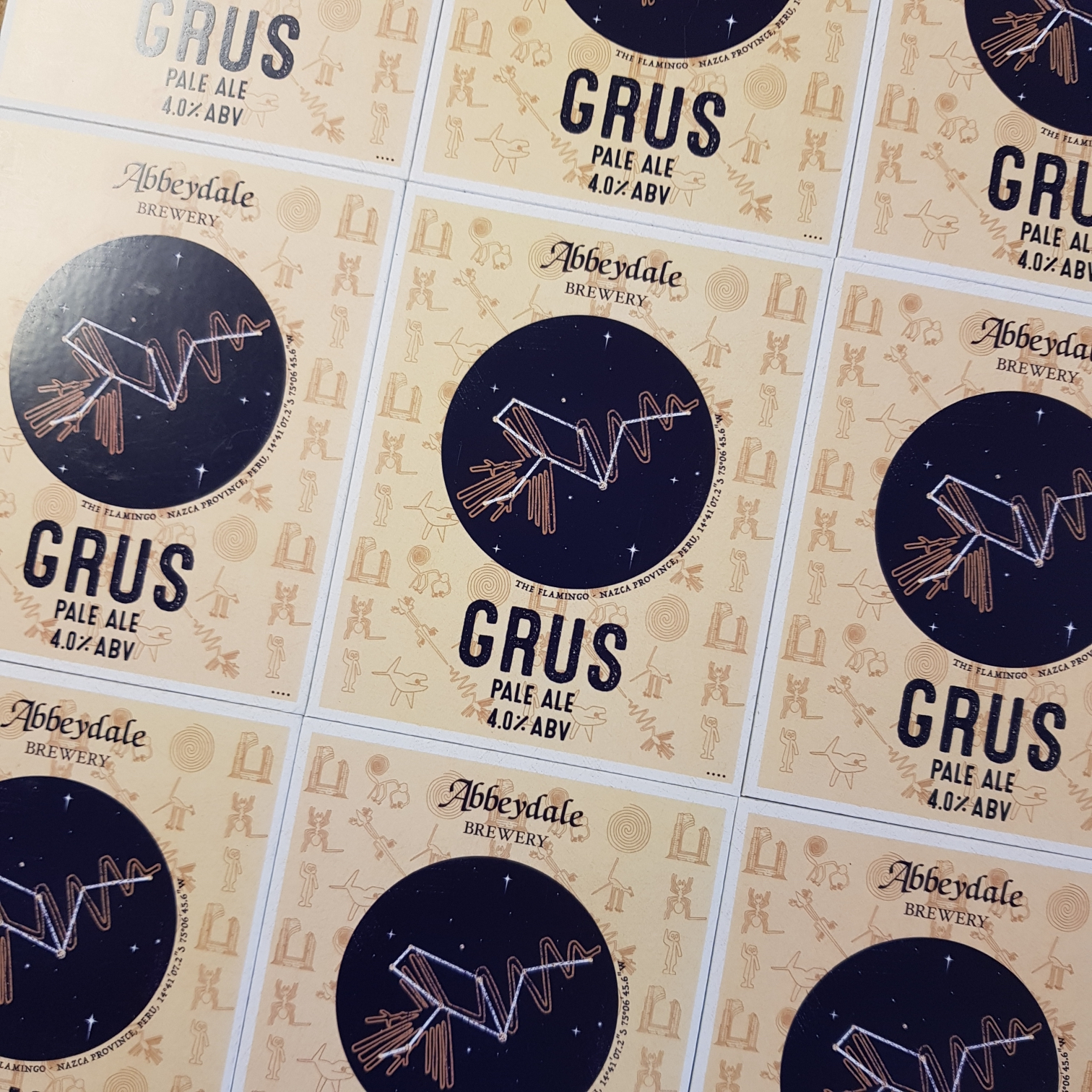
We’re really missing all our amazing pubs – much of our production has now shifted to canned format, but we’re making sure we keep brewing so that we maintain supply of delicious cask stock too, ready for when pubs are able to re-open. So look out for our minikegs which we hope bring a little bit of pub experience to your home! We’re also currently offering collection of freshly handpulled cask beer from the brewery door (served in two or four pint sealed containers – pre-order online before popping down to collect!). As I type the beer available is Grus, a delicious 4.0% easy drinking pale with a lovely ripe nectarine kinda character.
Onto our new beers! We’ve just re-released Huckster, one of our most requested beers of all time. Originally brewed in collaboration with Peddler Market, this beer a 6.0% NEIPA that’s super juicy, with added cryo hops for even more of a flavour boost.

And in big news… Brimstone is back (soon)! The first beer to be released in celebration of our 25th anniversary, many of you may remember it as being part of our core range from 2006 to 2016. It’s a tasty Amarillo hopped American brown ale and a real favourite here at the brewery, due to be released in the first week of February.
Also out in February, we’re looking forward to the next in our Deliverance series, which this time is a West Coast DIPA (8.0%), hopped with Simcoe, Amarillo and Centennial. This one is influenced by one of our brewer Jim’s favourite beers, inspired by a 2019 trip to California. We might not be able to travel at the moment but at least we can do our best to take your tastebuds on a journey!

And finally we’ll be releasing a new iteration of our puddingy Indulgence beers – a raspberry and vanilla muffin pale (4.5%) Previously released under the name Lady RaRa as part of our signature series in 2016 and now returning as part of our yummy range of dessert inspired beers! It’s a pale ale with a delicate hint of pink, creamy and cakey with oats, lactose and Vienna malt, plus of course oodles of raspberries and sweet vanilla. We hope you’re as excited as I am that it’s back!
Cheers, Laura
If you’ve managed to stay Dry for the month of January we should immediately congratulate you for a sterling effort, the drinking excesses of the festive season can often by balanced with a fit & healthy Dry January, but given the current Covid 19 situation, staying fully Dry since New Year’s Day is a true personal achievement, we wish you luck during this final week of the month!
Resisting temptation is a touch easier of course due to the rapid expansion of No/Low Alcohol beers over the last five years & its now a much simpler task to get the flavour without the big ABV, with dozens of 0.5% choices now available. If you’re new to the No/Low Alcohol scene then watch out for fantastic beers from Big Drop, Nirvana & Lucky Saint alongside tasty 0.5% options from established brewers like Thornbridge, Sam Smiths, Northern Monk, Lervig & To Ol.
The flipside to Dry for many drinkers in January is of course, Tryanuary, with many people choosing to Try new things during the month to help support brewers, pubs & retailers during a normally quieter time for sales. If you’ve been a Tryer during January then please accept our thanks, we hope you’ve enjoyed trying lots of new styles or new breweries over the month. Despite the ongoing pub closures, breweries are doing a fantastic job in getting as much beer as possible into bottles & cans & with a week of Tryanuary to go as we write this, we wish you the very best in trying something new over the next 7 days!
February is likely to bring us all back together on the same page, as drinkers & customers settle back into a normal rhythm once January is out of the way. It also seems likely that Covid19 restrictions are to continue & so drinking at home is going to remain our only option. With that in mind we’re sure that the beer retailers of Sheffield & North Derbyshire are ordering some spectacular new brews as we speak, the cans, bottles & growlers will continue to fly out of the doors.
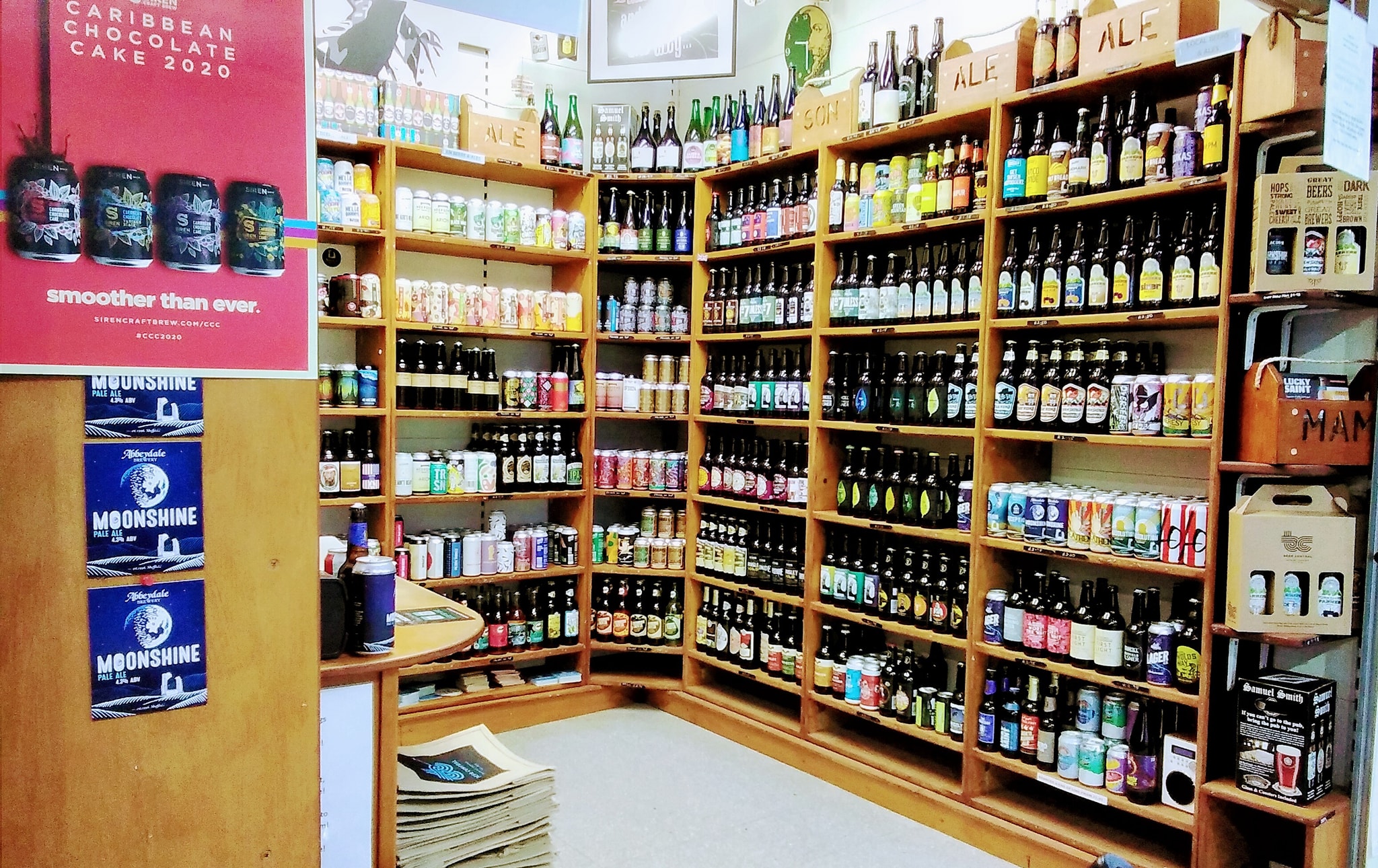
Here at Beer Central we remain open as normal (with plenty of safety measures in place of course) and you should expect to see new beers in February from a whole range of brewing superstars including, North Riding, Vault City, Nerd, Deya, Kees, Pomona Island, Five Towns, Northern Monk, Verdant, Cloudwater & North, in addition to an endless stream of local brews from Thornbridge, St Mars, Loxley, Bradfield, Kelham, & so on.
Whatever you did in January, whatever your plans are for February, give yourself a pat on the back. Life isn’t quite what it should be at the moment, but we’re all doing our bit, at some point along the way we all deserve a beer….. but the choices are endless, thank goodness for that!
Sean Clarke
BEER CENTRAL – AWARD WINNING BEER SHOP IN SHEFFIELD CITY CENTRE
Outlet MS3, The Moor Market. Sheffield. S1 4PF. Open Mon-Sat 8.30am-5.30pm. On Sundays we stay in bed.
After a very unpredictable 2020 for the whole population – including our beloved beer industry, and us here at Abbeydale Brewery, we’re finding things to look forward to in 2021. One thing we can be sure of is that we will be celebrating our 25th anniversary! We feel very fortunate to be here and certainly feel it’s a milestone well worth celebrating.
Throughout the year we’re planning on releasing a series of anniversary beers, which will be marked with our special commemorative logo. We don’t want to give too much away just yet, but suffice to say we’ve got some amazing surprises up our sleeves with some completely new brews and some twists on popular favourites on the way.
We’re kicking off the year’s special releases with two returning beers… the first of which has been brewed this week! Our Amarillo hopped American Brown Ale, Brimstone, was a much loved feature of our core range from 2006 until 2016 before we had to take the difficult decision to retire it, but it’s back as a limited release in early February… including in can for the very first time! It’s a favourite beer of our Sales Director, Dan Baxter – who himself has worked for the company since 2007. Starting out at one-time Abbeydale pub The Moon, he began working at the brewery as a brewer and salesman in 2008 (following in his granddad’s footsteps, who used to work at the old William Stones Cannon Brewery on Rutland Road), and he’s never looked back. Dan’s very excited to get Brimstone back in his life, and we hope you are too!
Also in February we have the return of Last Rites, our always popular dry hopped barleywine – we can’t wait to welcome it back to our line-up.
Across the UK, pubs, taprooms, social clubs and hospitality venues are at the centre of their communities. Looking after their regulars, providing services to their communities, raising money for charity and tackling loneliness and social isolation.
From 13-16 December, we want to flood social media and MPs’ inboxes with messages about why pubs matter, as we head into a festive season that is very different to normal.
There has never been a more important time to send a clear message to politicians and the media that pubs matter.
Pubs need fair treatment and better financial support from the government to get them through the festive period, which would usually be the busiest time of year.
During the Coronavirus pandemic, pubs have faced more restrictions than other businesses. This has reduced trade, left many at risk of closure, and means that people can’t benefit from the social and wellbeing benefits of going to the pub this Christmas.
Publicans have spent thousands making their pubs Covid-secure, improving ventilation, and helping with Test and Trace. But in most parts of the UK people can’t meet in pubs, regardless of what pubs have done to help people socialise safely in small groups.
You can help share the word by tweeting why pubs matter to you with #PubsMatter and also you can email your MP on the subject using CAMRA’s online tool.
For more on the #PubsMatter campaign visit whypubsmatter.org.uk.